If you take a virtual stroll through Osaka on Google Maps, it's hard to call it an attractive city. Much of it is a perfect illustration of the phrase "endless concrete jungle" — overcrowded narrow streets, high-rise and utilitarian buildings, railway lines, and industrial zones. Almost all of Osaka's historic buildings were destroyed during the bombing raids of World War II, and the vast majority of the city was rebuilt from scratch. As a result, there aren't all that many sights here in the traditional sense of the word.
Among Osaka's main tourist attractions are its castle, an ultra-modern aquarium featuring a whale shark, and the first Universal Studios to open outside the United States. Travel guides have little flattering to say about Osaka. One of them notes that the city owes its greatest fame to the yakuza and the arcade gambling machine pachinko. Another called Osaka the ugliest city in Japan, yet one "desperately wanting to be loved."
The main reason to come to Osaka is to witness authentic Japanese urban life: office buildings nestled beneath 12-lane elevated highways, multi-story buildings with amusement parks on their rooftops, and underground shopping malls so vast that you sometimes have to surface above ground just to get your bearings. Osaka is also considered the birthplace of traditional Japanese theater — kabuki and the puppet theater bunraku. So where better to discover this side of Japanese culture? And then there are the people of Osaka themselves, who stand apart from other Japanese — and that contrast is fascinating in its own right. Here, people are more likely to jaywalk, gamble, show their emotions openly, and act without ceremony; they smoke in places where it's prohibited and display a casual disregard for bureaucracy and rules. Locals are fiercely proud of their dialect, which could be described as the Japanese equivalent of Cockney English. It's full of colorful expressions and is frequently the subject of jokes in the media.
What to see
If you plan to visit museums and attractions actively, it's worth getting the Osaka Amazing Pass. With it, you can visit more than 40 attractions for free (the castle, the Legoland children's entertainment center, observation decks on towers) and use public transport. Some venues and shops also offer discounts to cardholders. A one-day pass costs 2,400 yen (14.9 USD), and a two-day pass costs 3,000 (18.6 USD).
Castle
Osaka Castle ♡ rises high above the city, surrounded by a beautiful park. Since the park covers a large area, it can be reached from five different metro stations. From some entrances, electric vehicles also run to the castle itself. The history of Osaka Castle dates back to 1496 and is associated with the three unifiers of Japan. The castle was destroyed several times and sustained damage during World War II, but was fully restored in 1995. Today, in addition to the tower and the castle ruins, the park grounds include a samurai castle, a baseball field, and a concert hall. The castle is encircled by a massive moat — between 70 and 90 meters wide — and a 20-meter stone wall. It is believed that more than 500,000 stones were used to build the massive wall. The History Museum where you can learn more about the history of the area, is located near the southwest corner of the park.
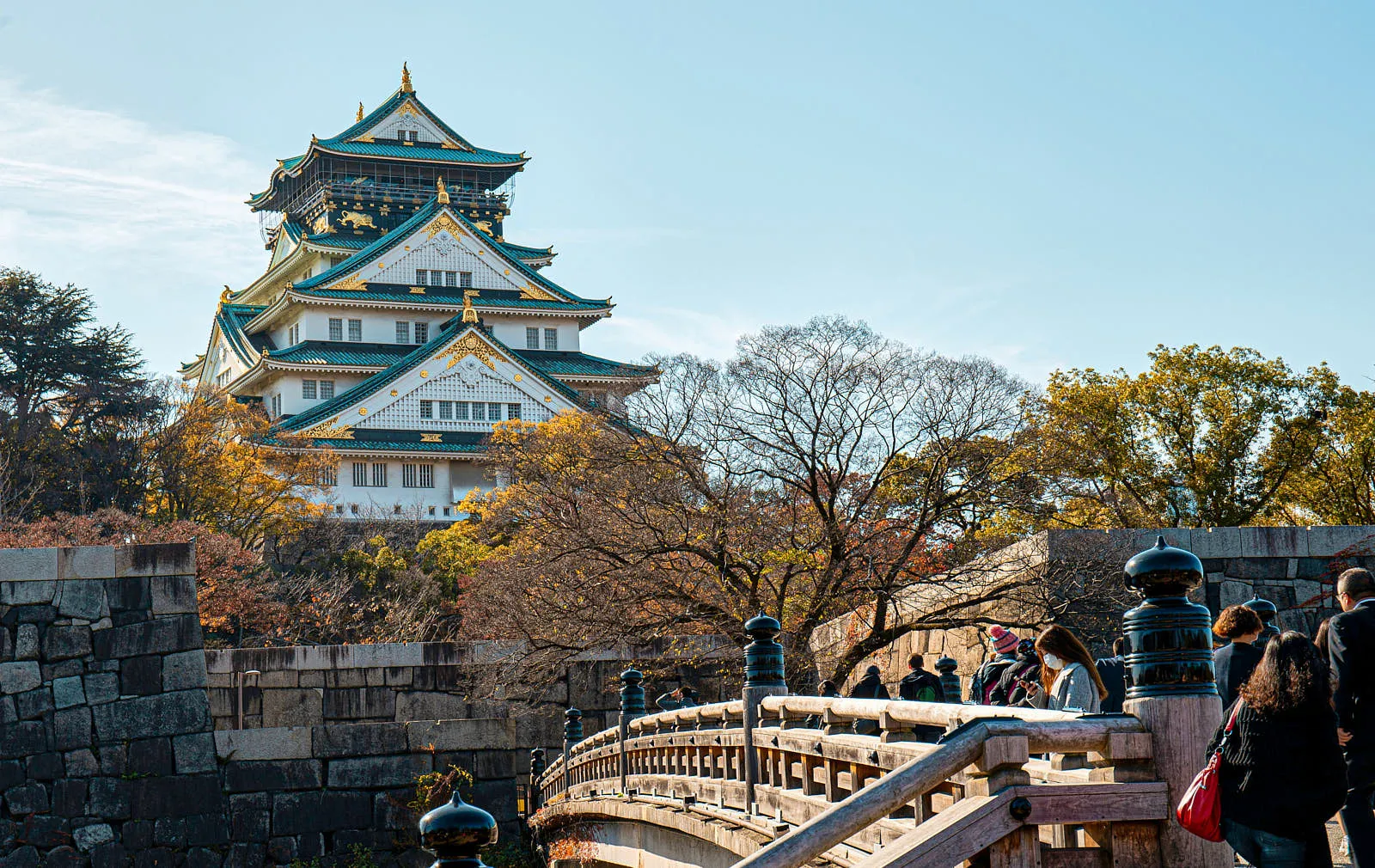
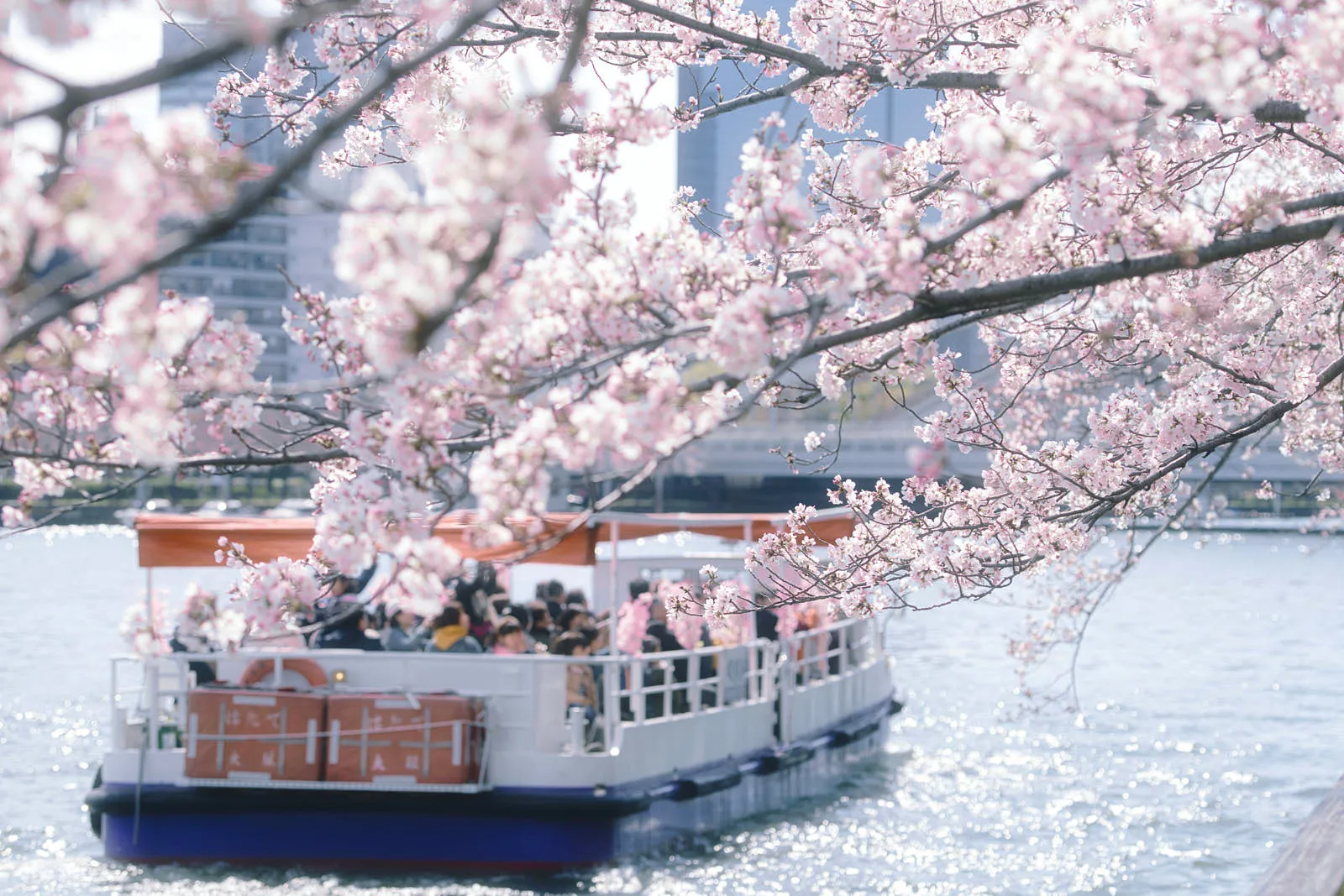
The castle grounds house two museum shops with a wide selection of souvenirs. Among the highlights on offer are: 3D puzzles of the castle itself, small replicas of decorative elements, collectible figurines and statuettes, coffee, and traditional sweets. Admission to the interior of the castle costs 1,200 yen (7.44 USD), but strolling through the park is free of charge. The park is especially beautiful — and crowded — during cherry blossom season.
Harukas 300 Observation Deck ♡
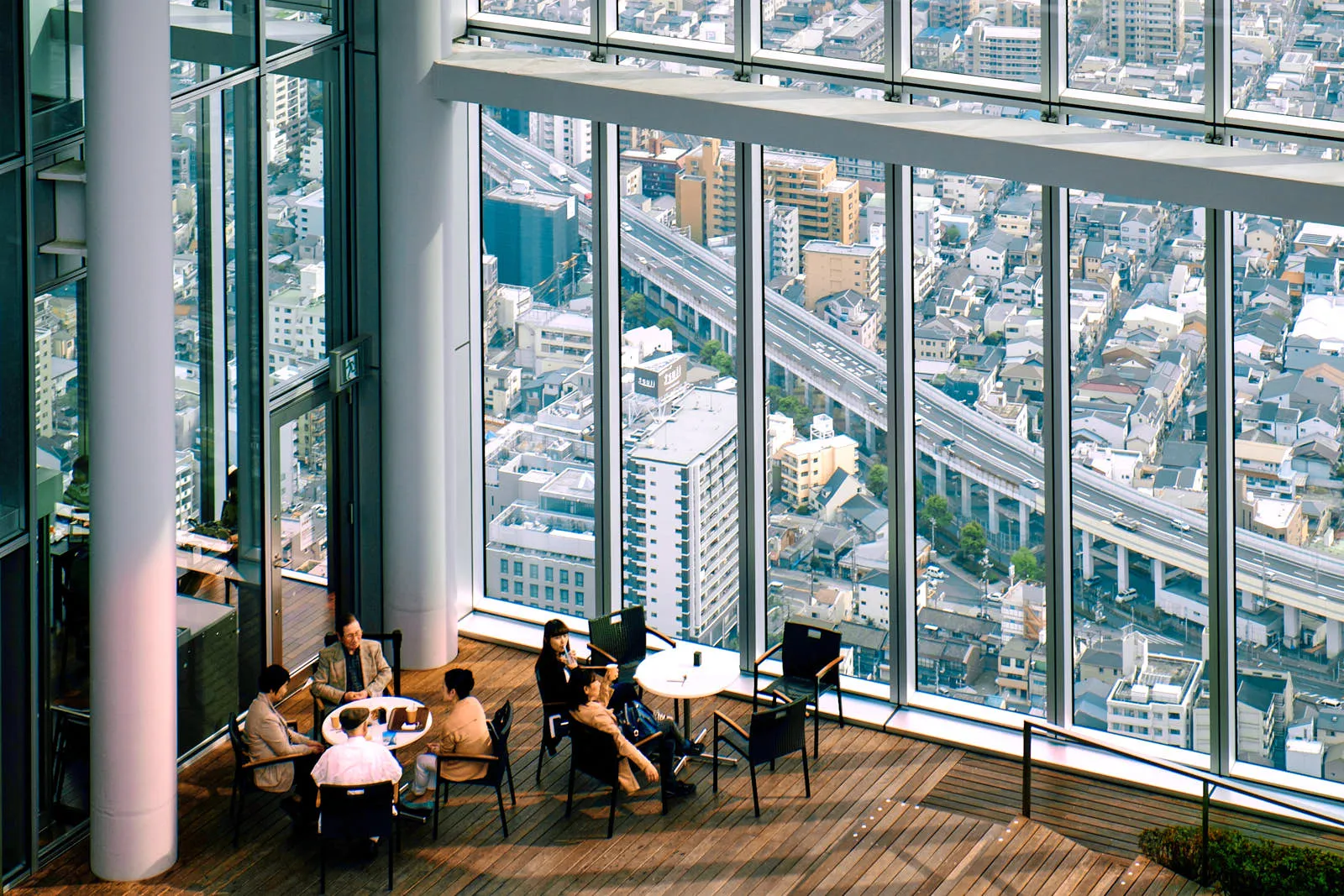
Five kilometers from Osaka Castle sits the observation deck Harukas 300 — the highest point in the city. The observation deck spans three floors, from the 58th to the 60th. Admission costs 2,000 yen (12.4 USD).
Dotonbori Food District
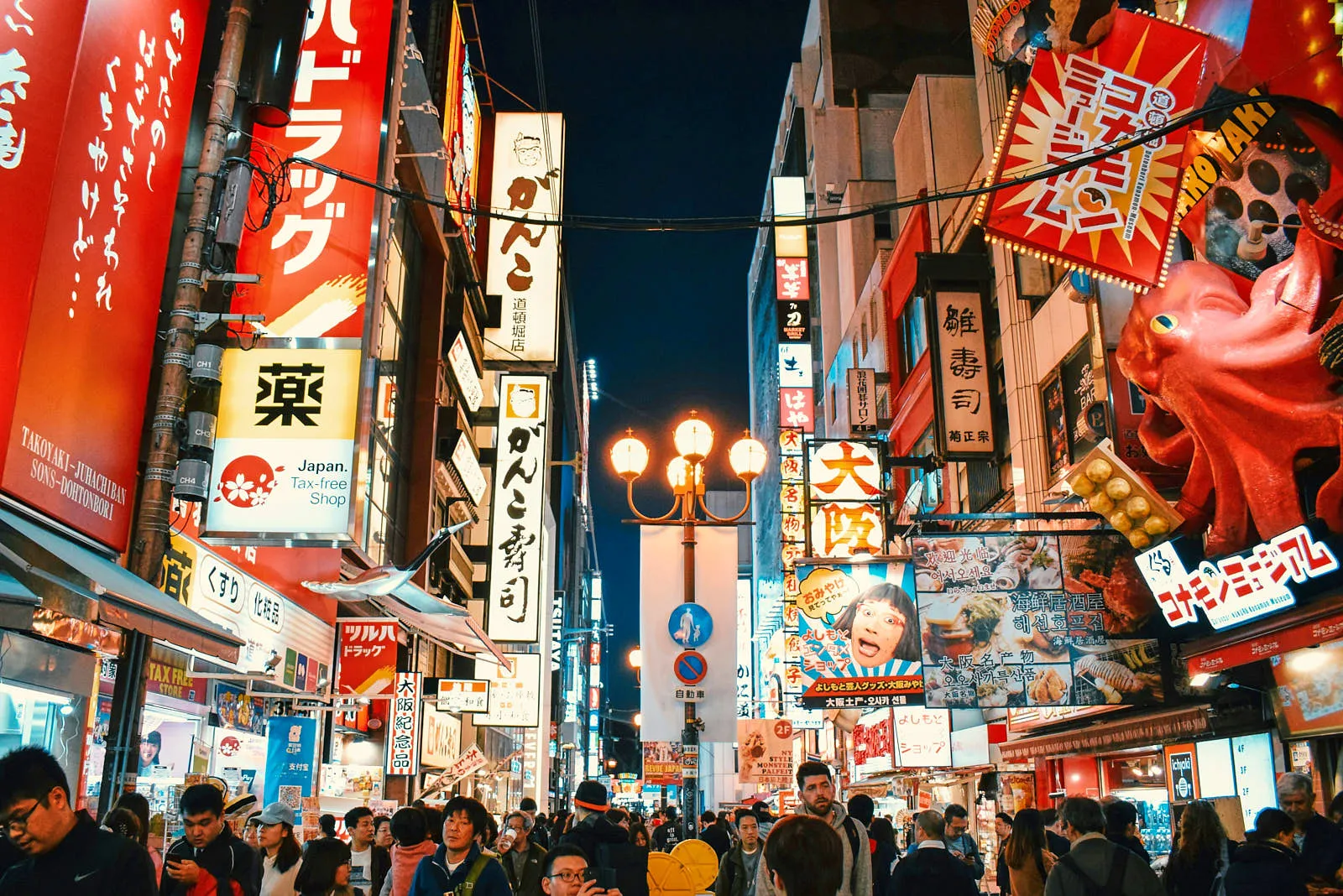
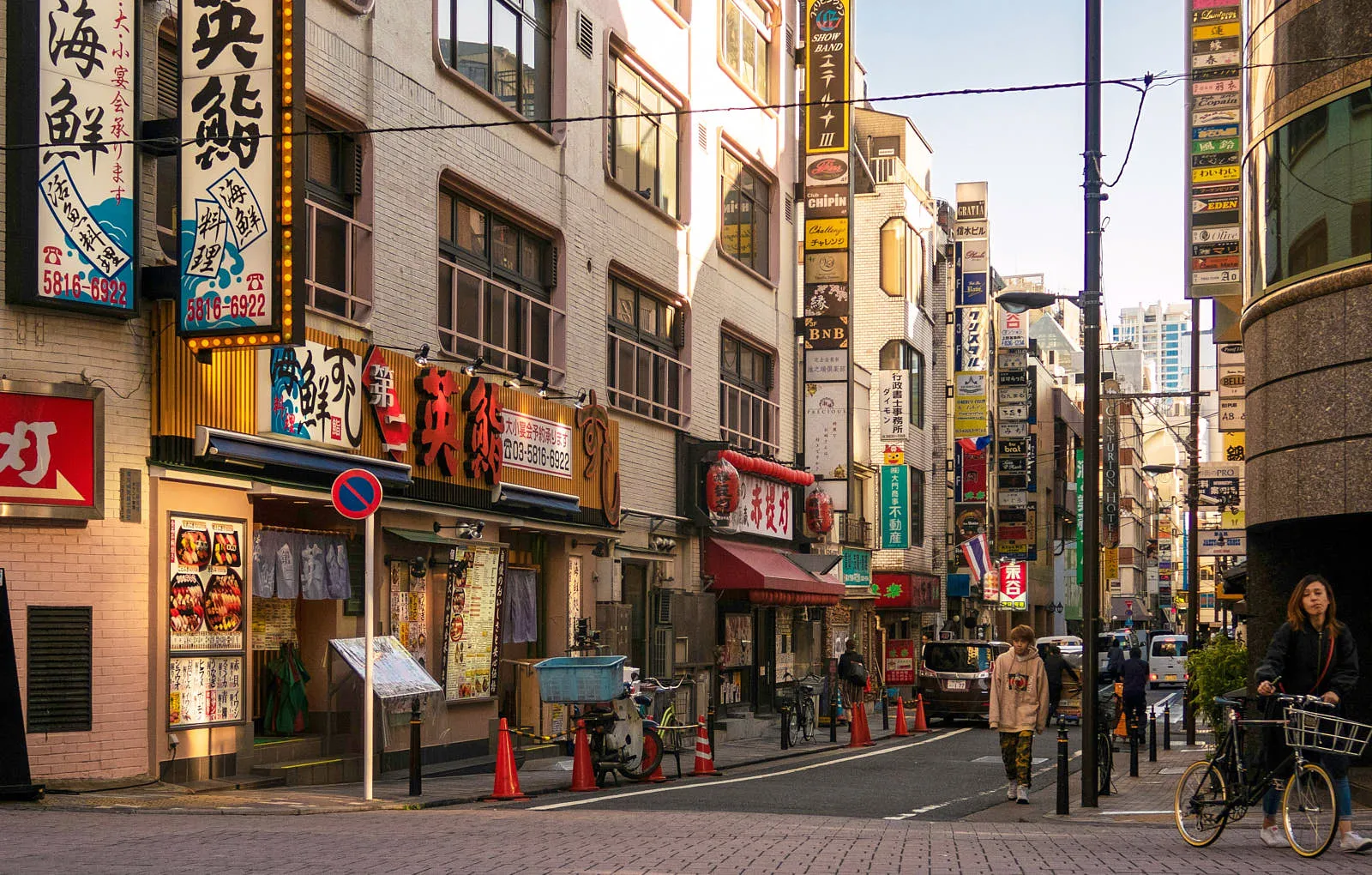
Dotonbori is the main restaurant district in the city. In the evening, the streets light up with thousands of neon signs, and locals queue up for the most delicious food. "Eat until you go broke" is the motto of this quarter, which appears on almost every establishment.
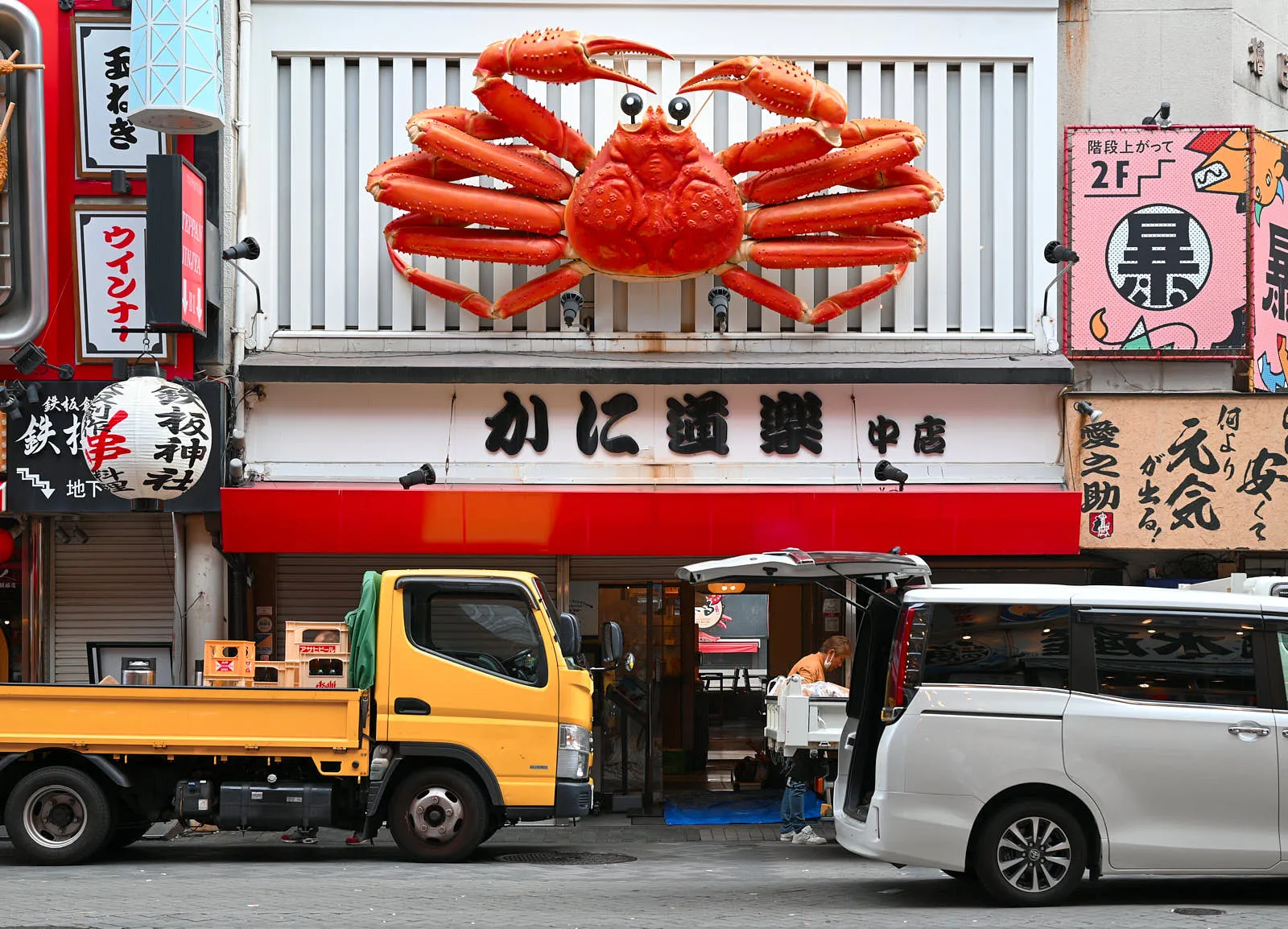
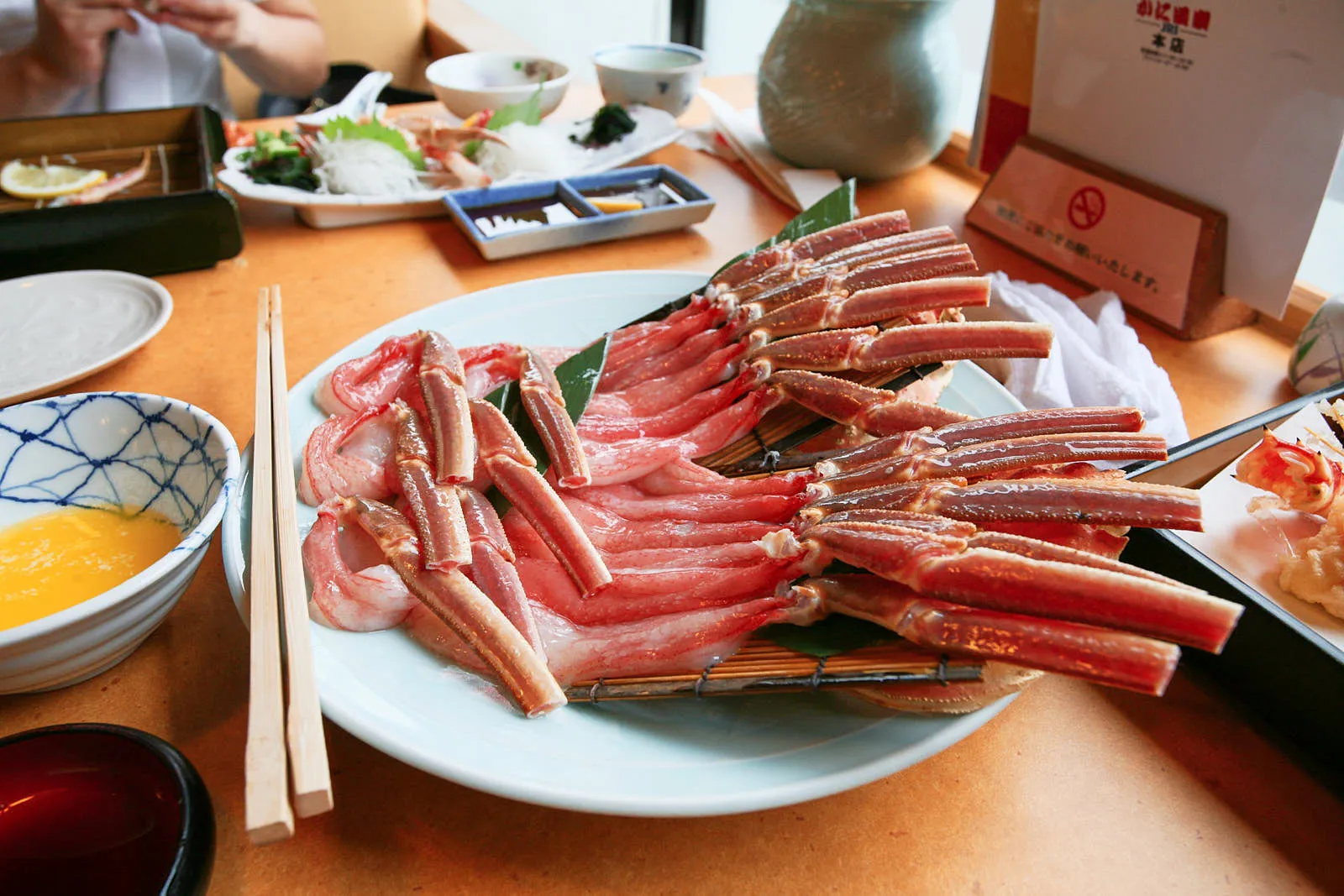
Restaurant Kani Doraku ♡ specializes in crab dishes: soup will cost 1,200 yen (7.44 USD), a stir-fry — 1,800 (11.2 USD), and rillettes — 1,500 (9.3 USD).Genrokuzushi is a restaurant where ready-made sushi travel along a conveyor belt and diners pick whichever pieces they like. At Osaka Ohsho ♡ try gyoza dumplings or fried rice with tofu and eel. At Wanomiya Kobe Beef ♡ they serve Kobe beef steaks — a premium type of beef from wagyu cattle вагю. Prices per dish range from $50 to $300 (50 USD–300 USD) depending on the size of the steak. At Takohachi Sohonten they make wonderful takoyaki — balls of batter filled with octopus. Ajinoya is known for its okonomiyaki pancakes. They use less flour and cabbage than in the traditional preparation, making them lighter.
Namba — Kabuki Theatre and Shops for Geeks
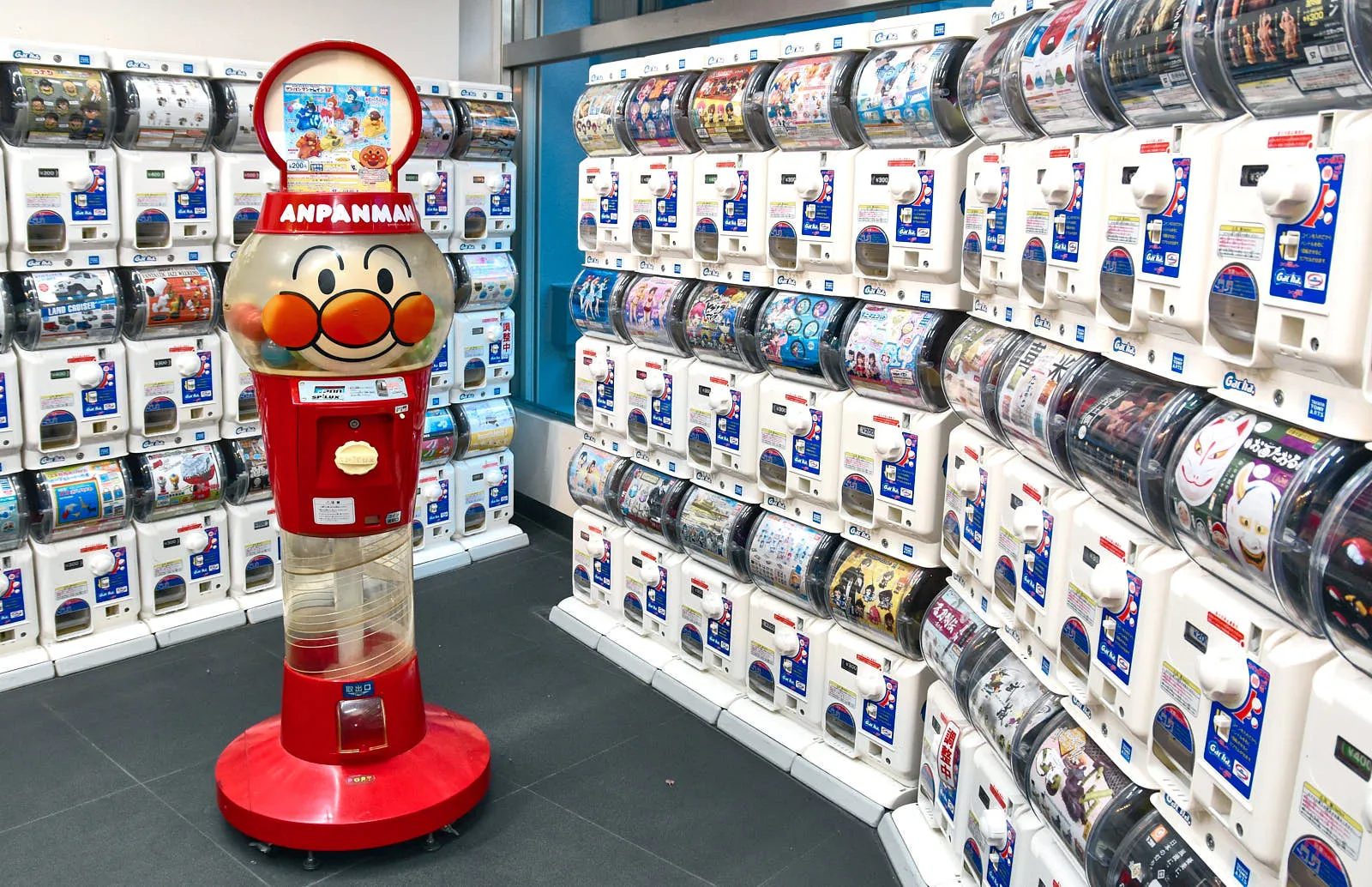
Dotonbori flows seamlessly into the Nambadistrict, where you can browse shops for geeks, grab a bite at a pastry café, and catch a performance at a traditional kabuki theatre. Den-Den Town is a shopping quarter packed with stores catering to geeks: electronics, anime, comics, video games, and gashapon vending machines гасяпон. Each machine has its own theme with several toy variations. A single capsule typically costs around 200–400 yen (1.24 USD–2.48 USD). While these toys were originally designed for children, they have since become a hobby and collector's passion for adults. There are also many stores carrying Japanese clothing brands, such as Loft and Donki. After shopping, you can stop for a snack at the pastry café Rikuro Ojisan No Mise. They serve a light, fluffy Japanese soufflé cheesecake, and the second floor offers a quiet escape from the noise and crowds.
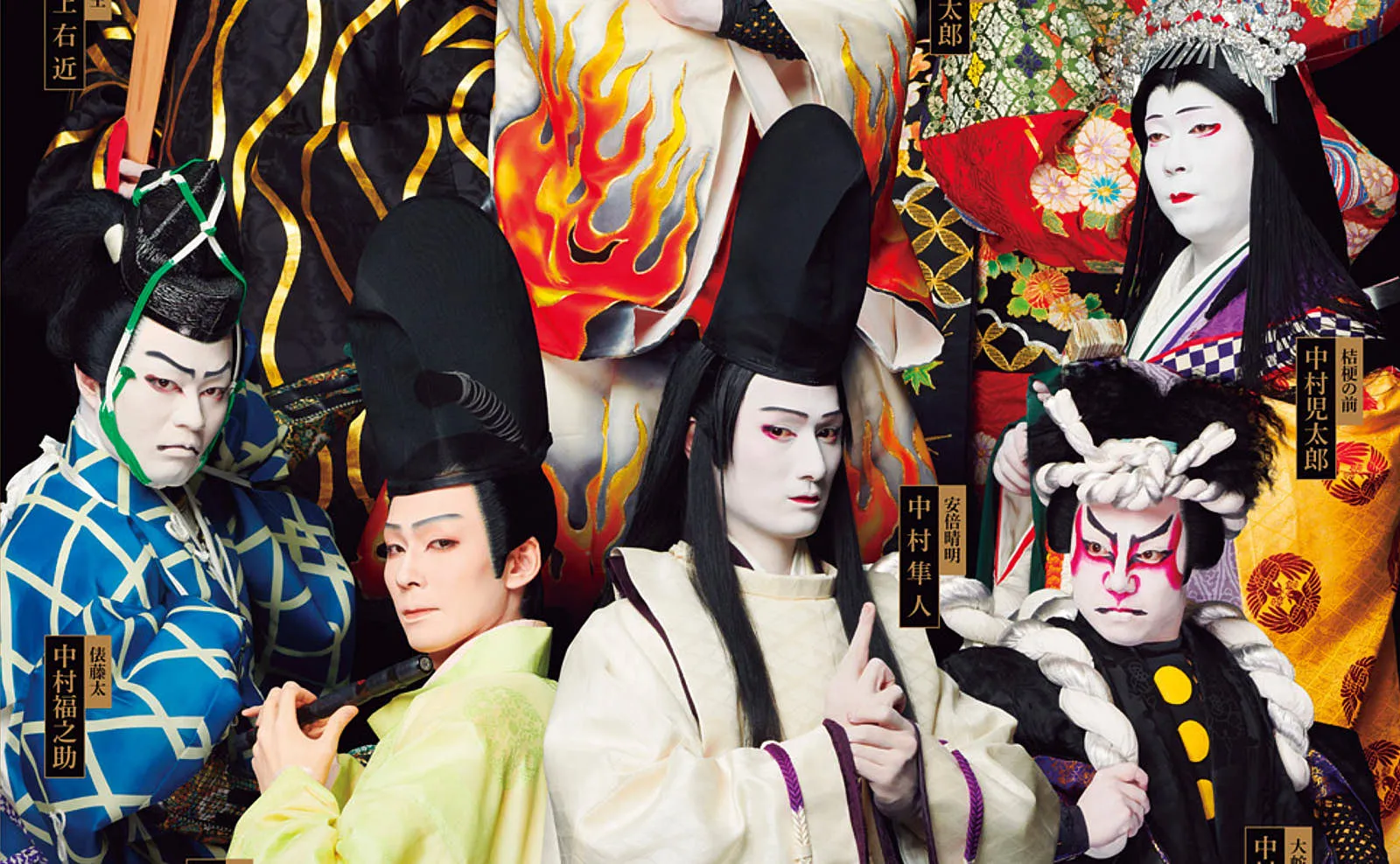
Namba Grand Kagetsu ♡ is a theatre showcasing comedy shows, stand-up, and plays in the style traditional to Osaka. Nearby stands the traditional kabuki theatre Shochikuza. Performers wear elaborate makeup and costumes, and the shows themselves are a mix of dramatic theatre, dance, and song. A ticket costs 5,000–20,000 yen (31 USD–124 USD).
Umeda ♡ — a Ferris wheel on a rooftop
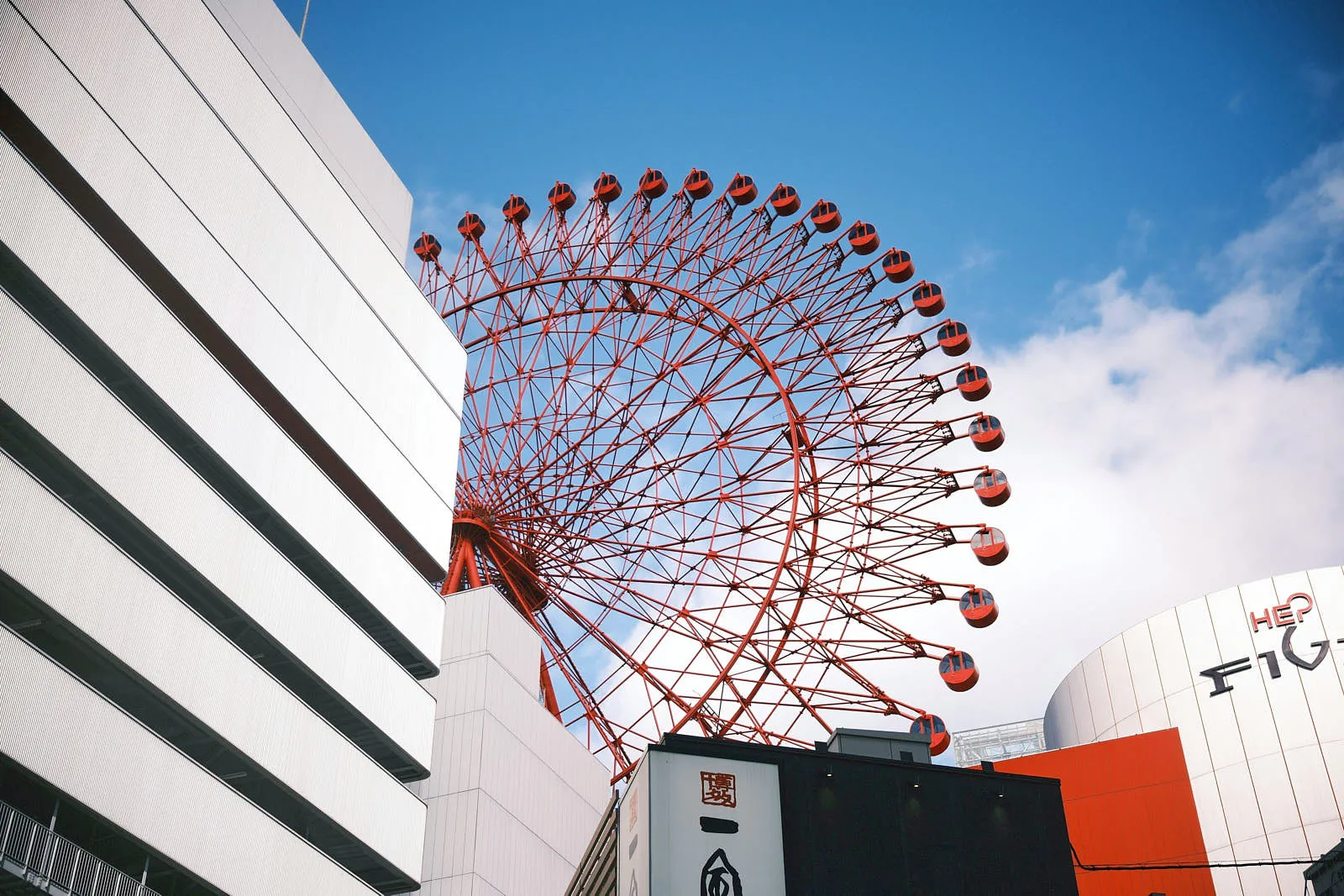
Umeda is a large district in the city centre with an endless number of restaurants and shops. Within a one-kilometre radius of Umeda metro station there are more than six thousand restaurants. You can enjoy a bird's-eye view of the city from a Ferris wheellocated on a rooftop; a ticket costs 600 yen (3.72 USD). And on the rooftop of the skyscraper Sky Building you will find a garden and an observation deck, a restaurant and a lounge bar. A ticket to the observation deck costs 2,000 yen (12.4 USD).
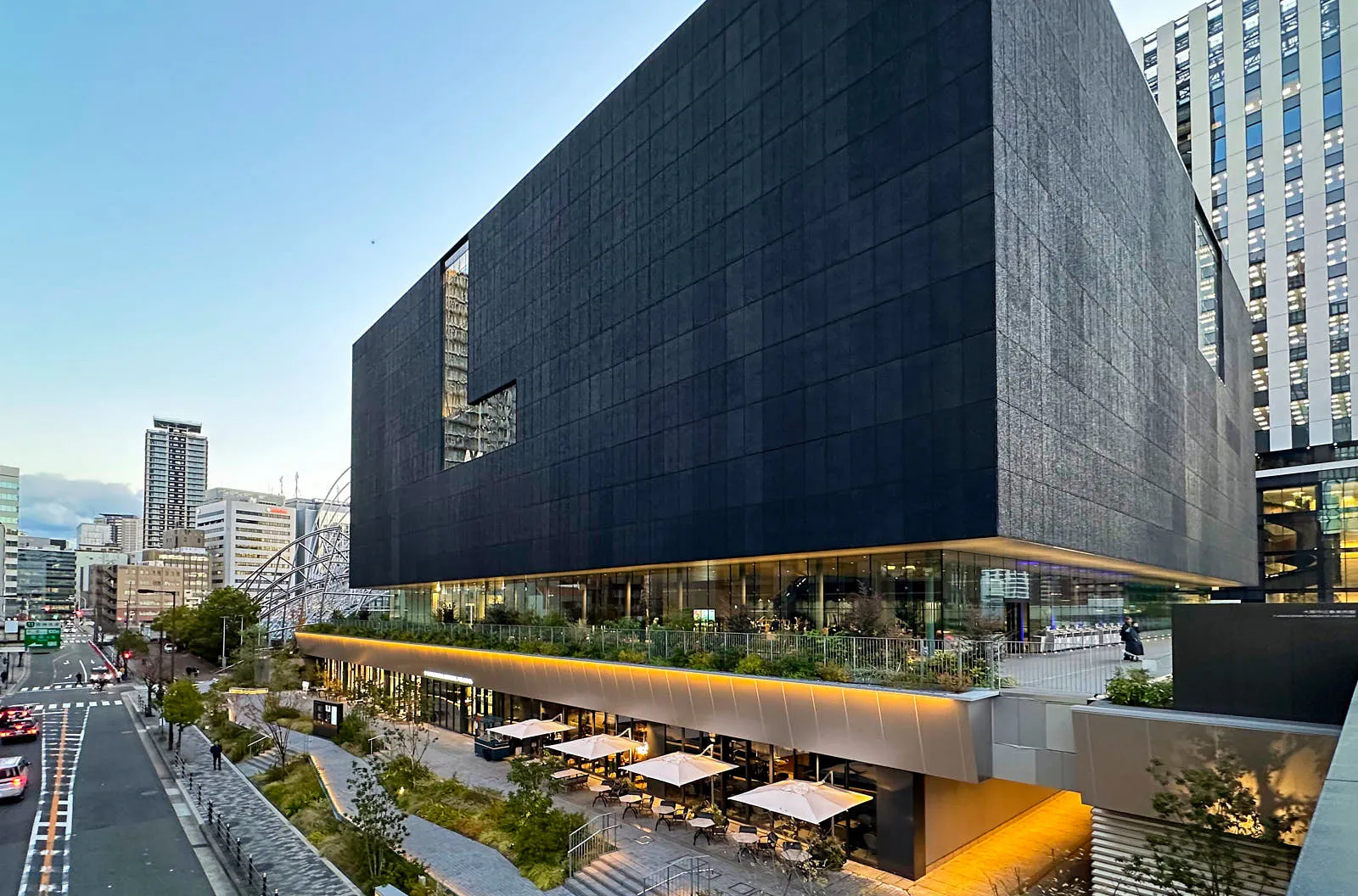
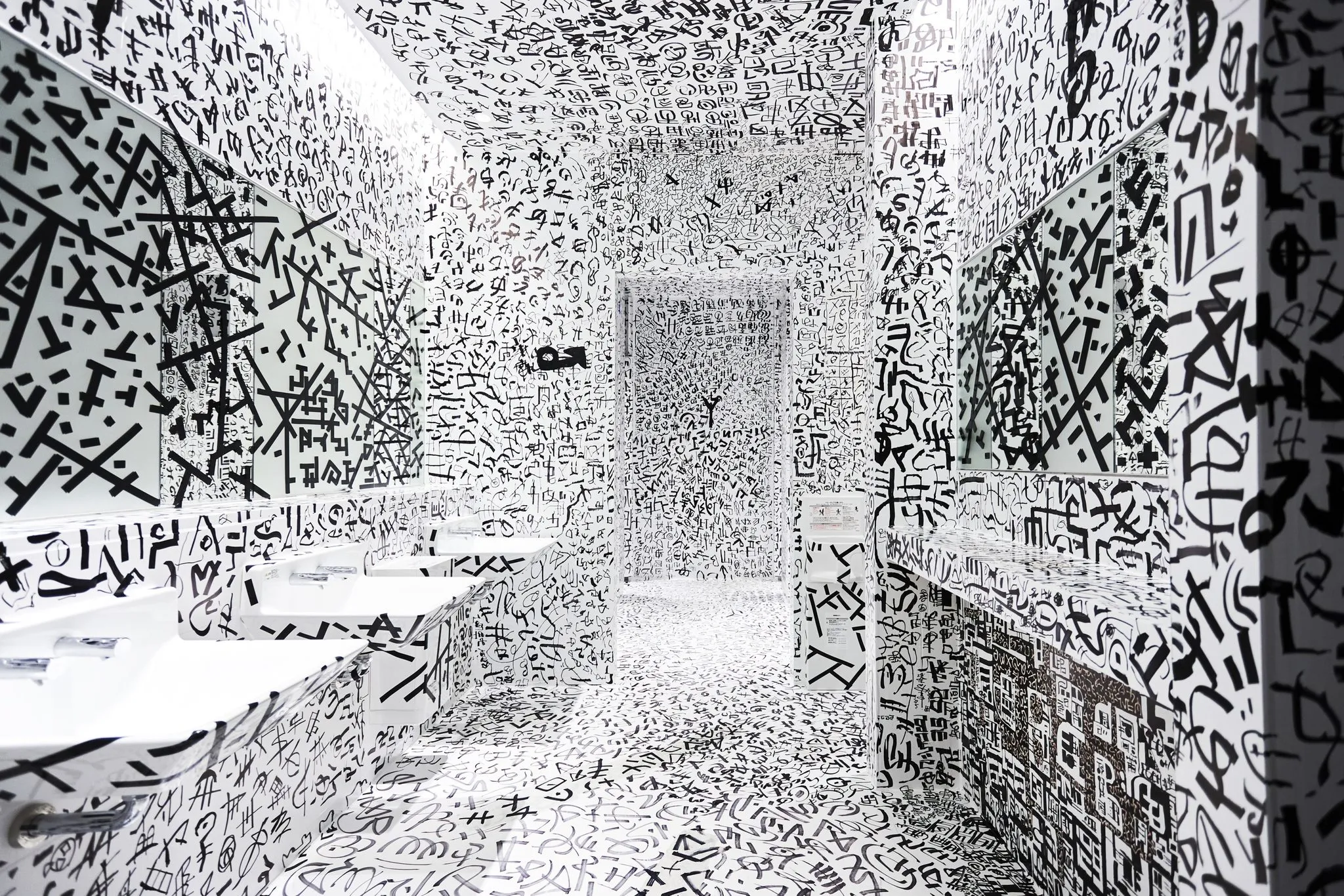
Nakanoshima-koen is Osaka's first public park, opened in 1891. It is a wonderful place for a stroll and a break from the hustle and bustle of the city. Two museums are also located here: the Museum of Oriental Ceramics ♡ — relatively small, but its collection features Japanese, Korean, and Chinese pieces — and a museum of modern art and design, the Nakanoshima Museum of Art ♡. The museum's collection numbers more than 6,000 works — Japanese and international art from the mid-19th century to the present day: nihonga (Japanese-style painting), European modern art, prints, photographs, and sculptures. Key exhibits include works by Saeki Yuzo, a nude by Modigliani, works by Yoshihara Jiro, and others; there is also a library and a rose garden.
The Hanshin department store houses many boutiques of local and international brands, such as Uniqlo, Ojico, Dior, and Shiseido. Exhibitions and events are frequently held on the seventh and eighth floors. exhibitions and events. You can take a break and refresh yourself at Muni ♡ — an izakaya-style bar, something along the lines of an Irish pub or Spanish tapas bars.
Shinsaibashisuji Shopping Street ♡ and the Amerikamura District
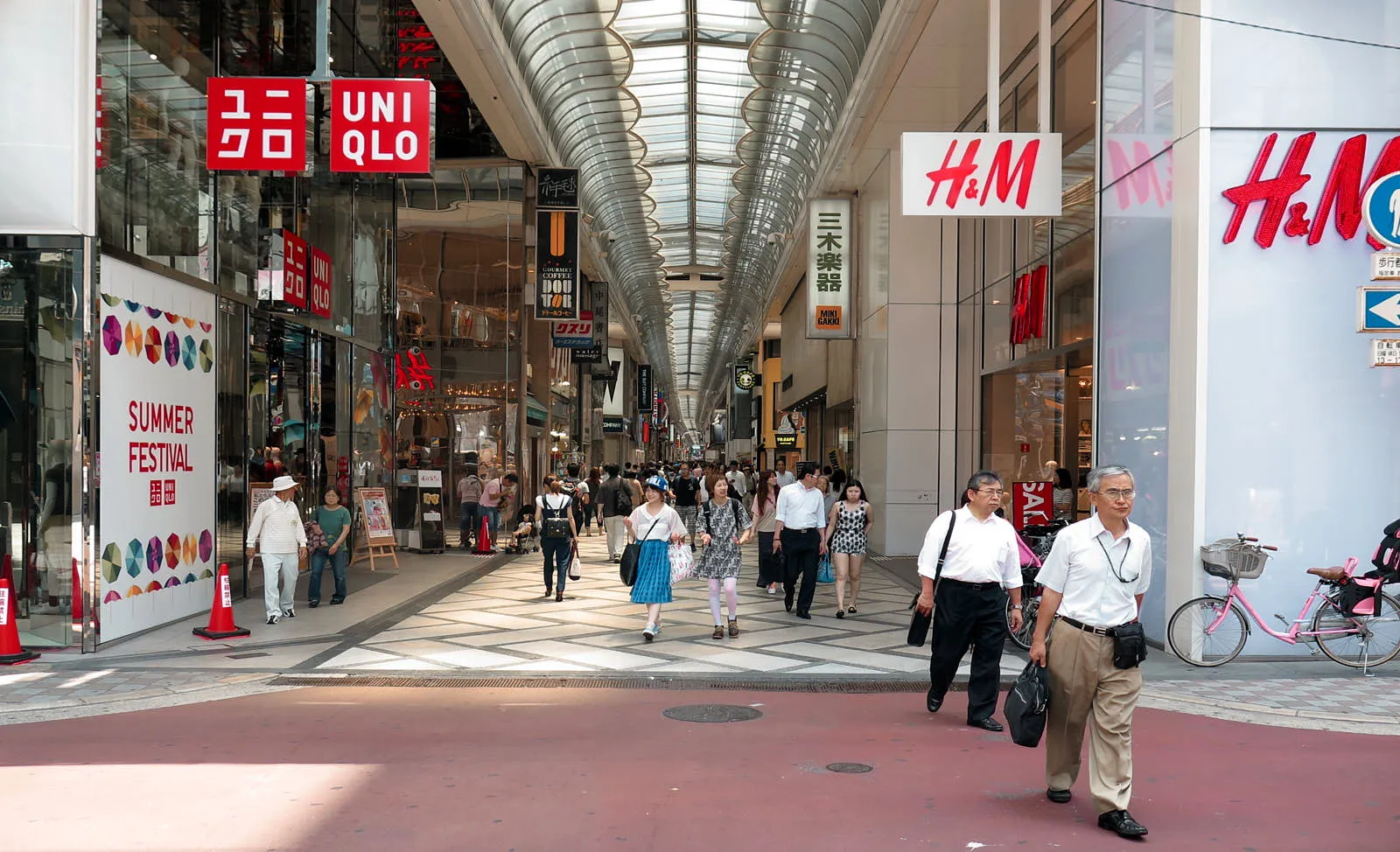
Merchants and shopkeepers settled on Shinsaibashisuji Street as far back as the 17th century, when a local merchant named Shinsai built a bridge connecting the new quarter to the Dotonbori theater district. Under the covered shopping arcade of Shinsaibashisuji stretching 600 meters, there are more than 180 shops. These are mostly stores of major international brands — Chanel, Leica, and Apple Store — interspersed with restaurants, bars, and one museum — the Art Museum — 1,000 yen (6.2 USD) per ticket.
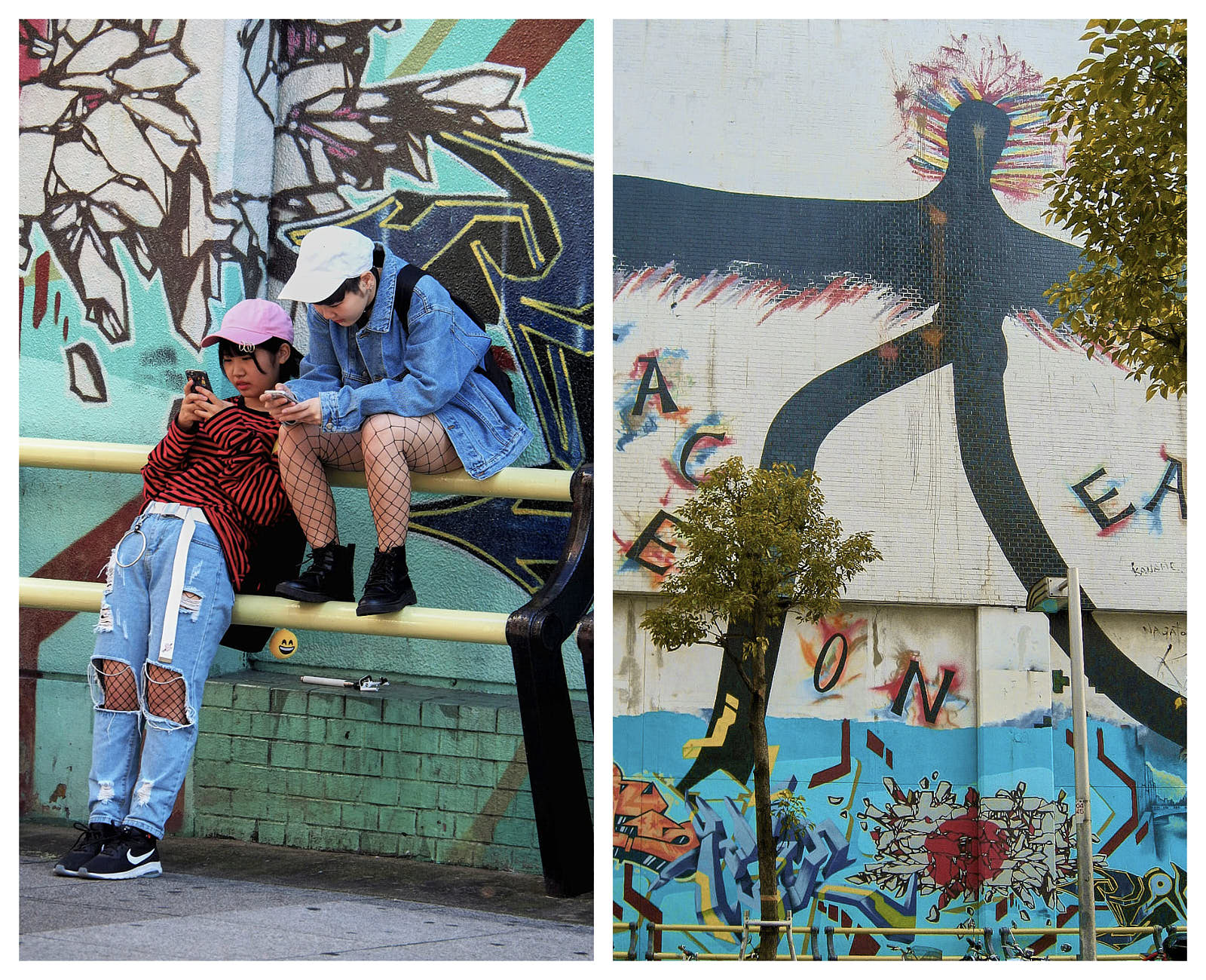
Amerikamura is a small, lively district with graffiti-covered buildings, street food stalls, independent galleries, and Sankakukoen Park where young people gather. Vintage shops sell clothing, books, and vinyl records. In the evenings, lively rock bars and clubs open up. Amerikamura translates as "American Village": back in the 1970s, warehouses in this district were converted into shops selling American and Western goods.
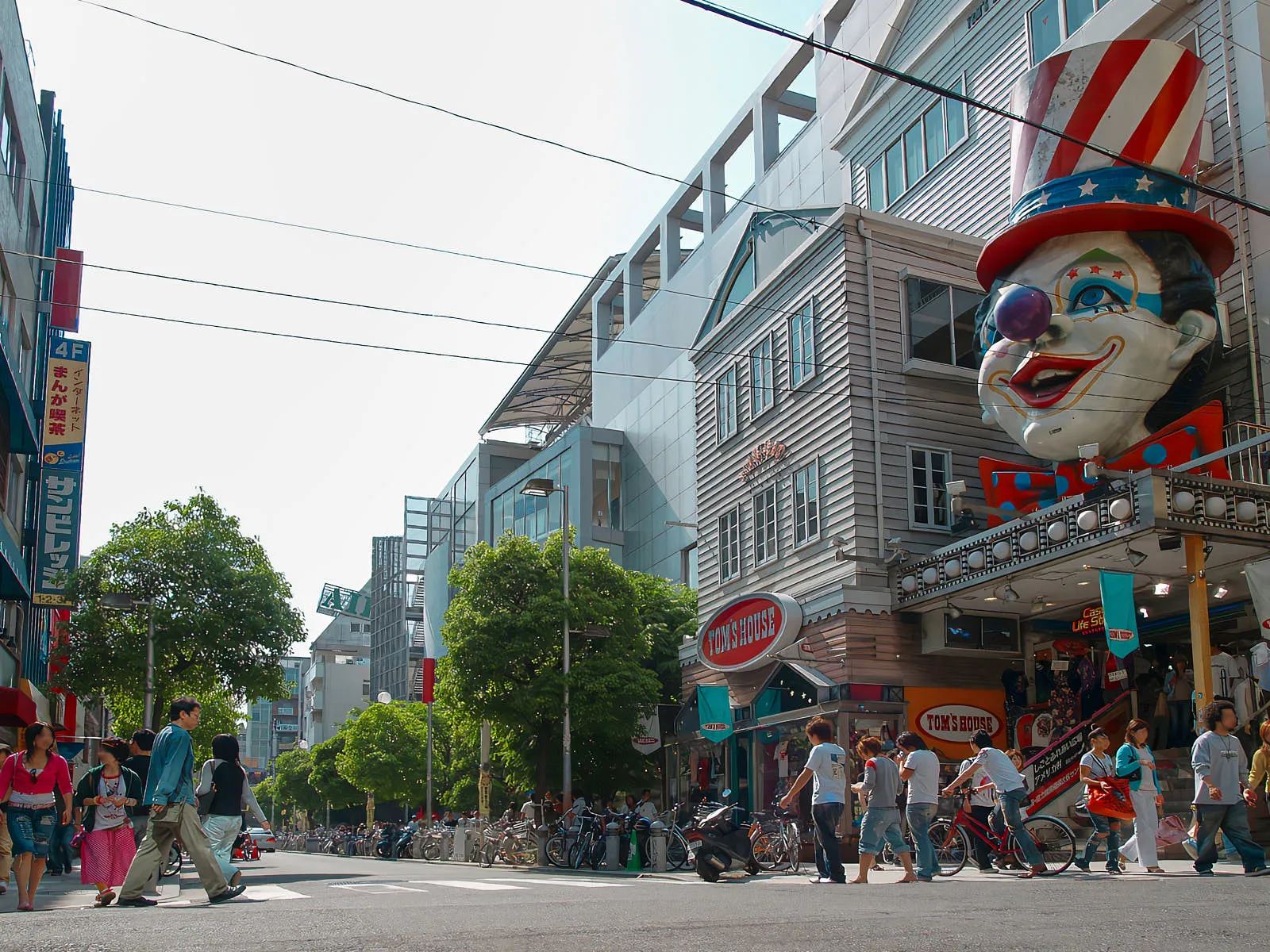
One of the largest shopping complexes in Amerikamura is Big Step. It houses clothing and sporting goods stores, art galleries (for example, Kuroda-seitaro Kakiba), restaurants, secondhand record shops, and pinball machines. The Amerikamura district is not very large, so you can explore most of it in a few hours. Try такояки at Kogaryu Takoyaki, soufflé pancakes at Elk or grab a bottle of beer at the bar Aquavit.
Shinsekai ♡ — a 6th-century temple, a zoo, and a tower observation deck
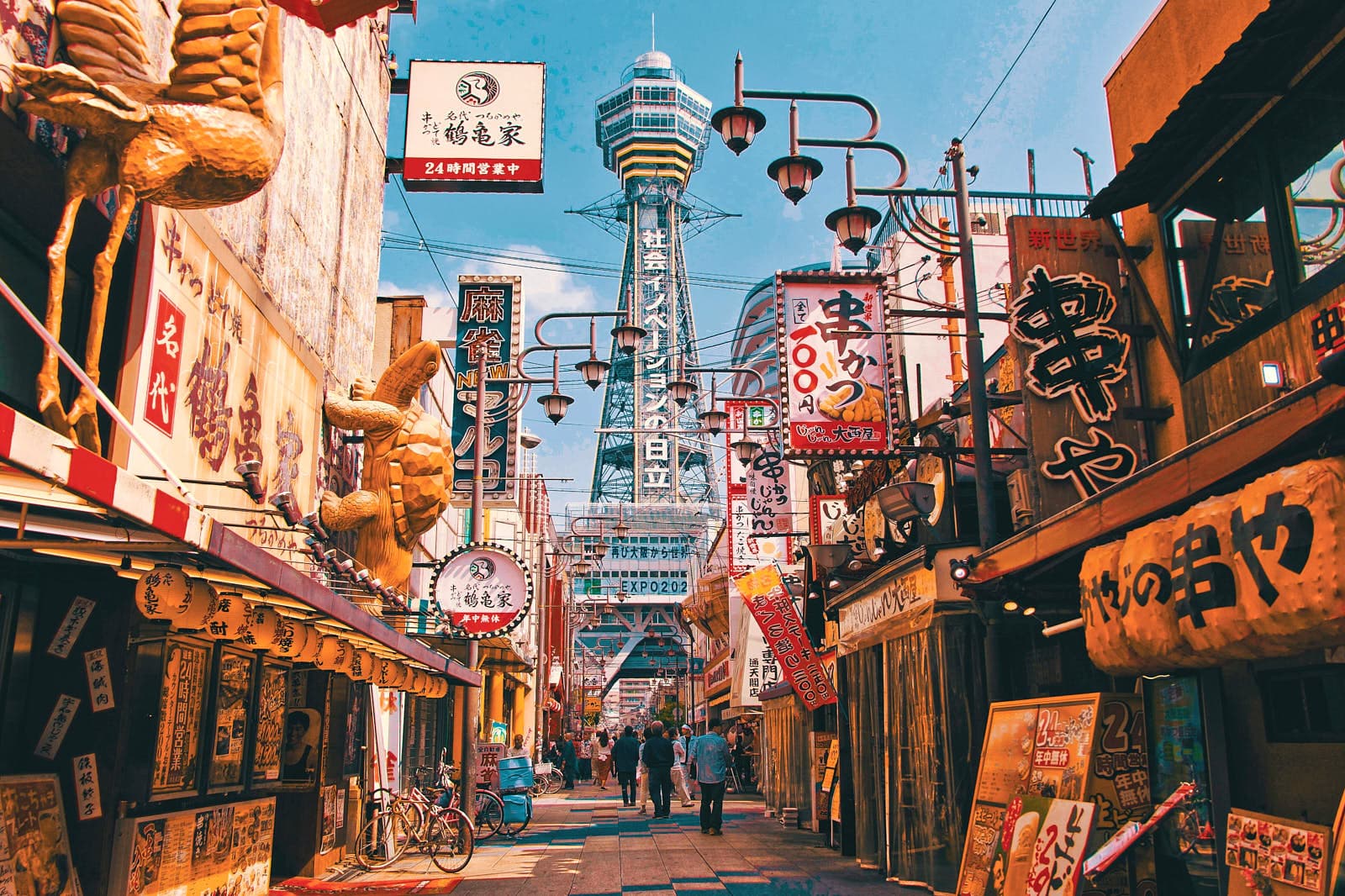
The main attractions in the Shinsekai district: the zoo Tennoji (500 yen (3.1 USD), a shopping center with a spa Spa World ♡, Art Museumand the tower Tsutenkaku (103 meters), from the top of which you get a great view of the city. A ticket to the observation deck costs 1,200 yen (7.44 USD).
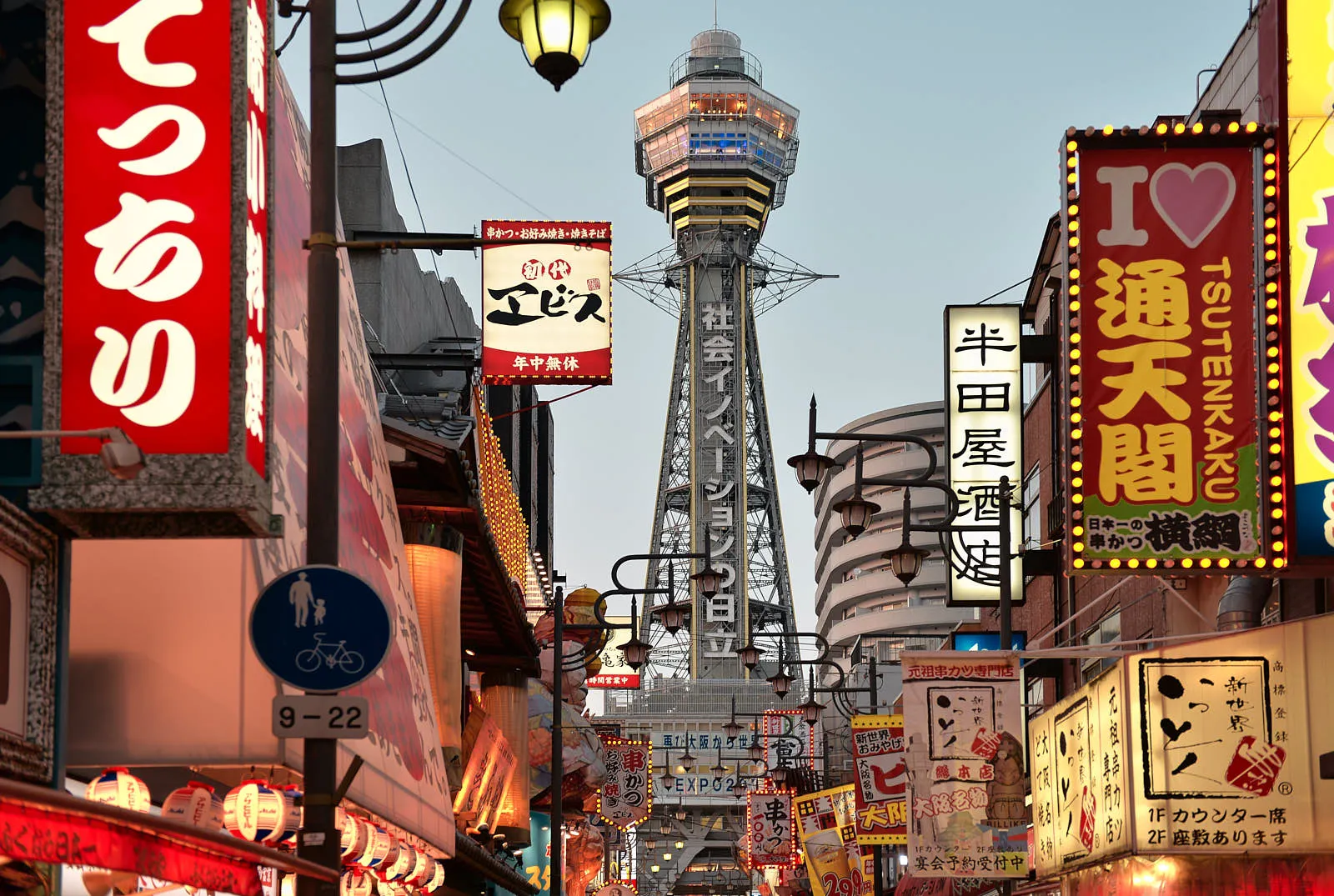
Strolling through Shinsekai, you'll keep spotting statues and figurines of Billiken, and the shops sell life-size dolls and souvenirs related to him. In 1912, the Luna amusement park opened in Shinsekai, and the Billiken character became its mascot. Billiken was created by American illustrator Florence Pretz. The temple Shitennoji ♡ is a restored Buddhist temple dating from 593, complete with a pond inhabited by turtles. It is one of the oldest temples in Japan; the grounds also feature a five-story pagoda and other architectural monuments, and the atmosphere on the temple grounds is peaceful and serene. This neighborhood has an unusually high concentration of cafés serving kushikatsu — deep-fried skewers of meat and vegetables. Some places to try them include Kushikatsu Daruma, Tengu ♡ and Yaekatsu ♡. At Jumbo-Tsuribune Tsurikichi ♡ you can pick out a variety of fish and seafood and cook it yourself right at your table.
Tempozan Harbor Village ♡ — aquarium, Legoland, and a Vintage Car Museum
Tempozan Harbor Village is a shopping and entertainment complex on the shore of Osaka Bay. You can come here and easily spend the entire day. The local aquarium, Kaiyukan, is one of the largest aquariums in Japan (the biggest is in Okinawa). It is home to more than 30,000 creatures and 620 species of fish, including a majestic whale shark. A ticket to the aquarium costs 2,700–3,200 yen (16.7 USD–19.8 USD).
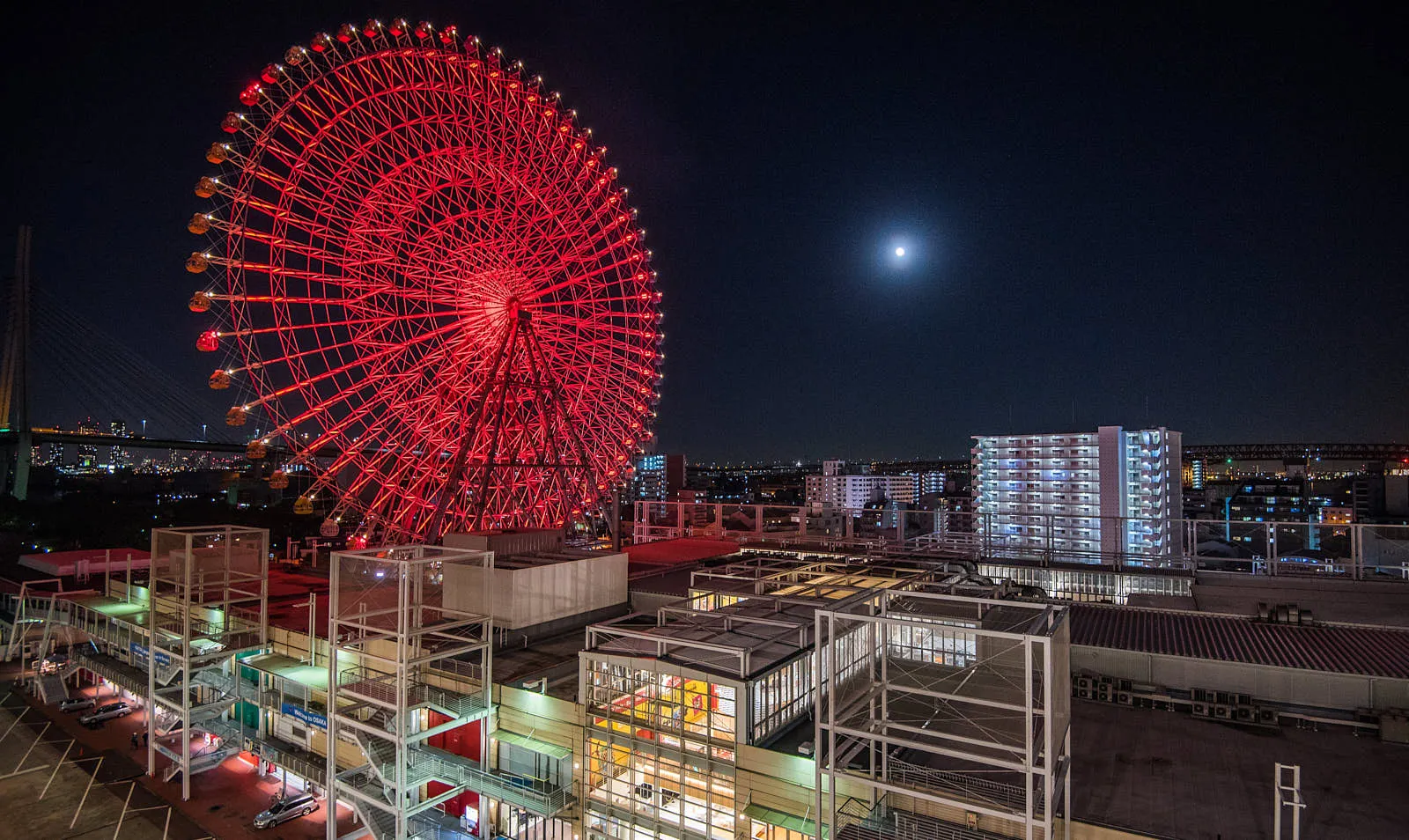
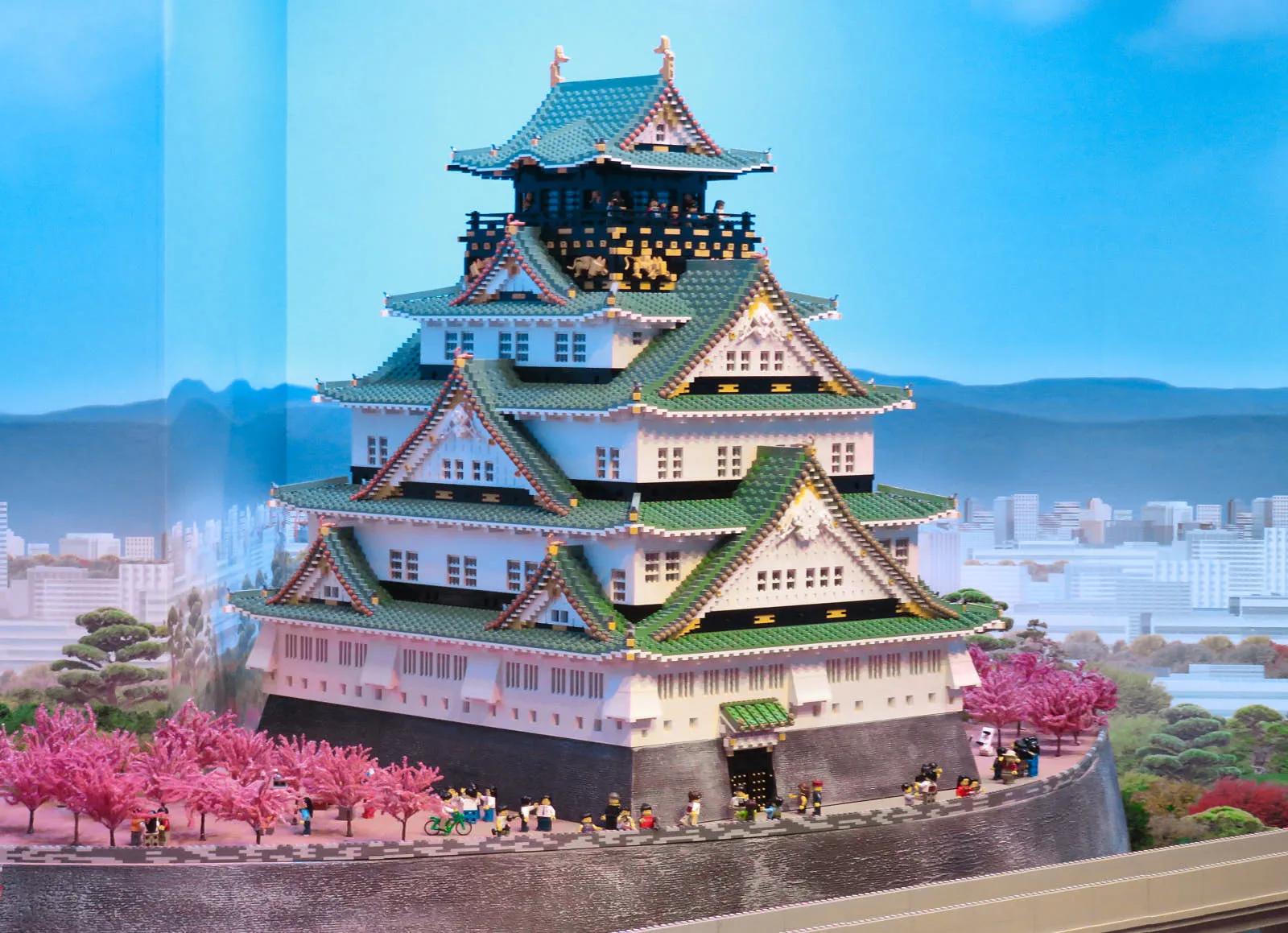
You can also ride the Ferris wheel for 900 yen (5.58 USD), visit the Legolanddiscovery center with your children, where Osaka's landmarks are recreated in LEGO bricks — 2,200–2,900 yen (13.6 USD–18 USD), stock up on groceries at the market, and grab lunch at the food court Naniwa Kushinbo Yokocho..
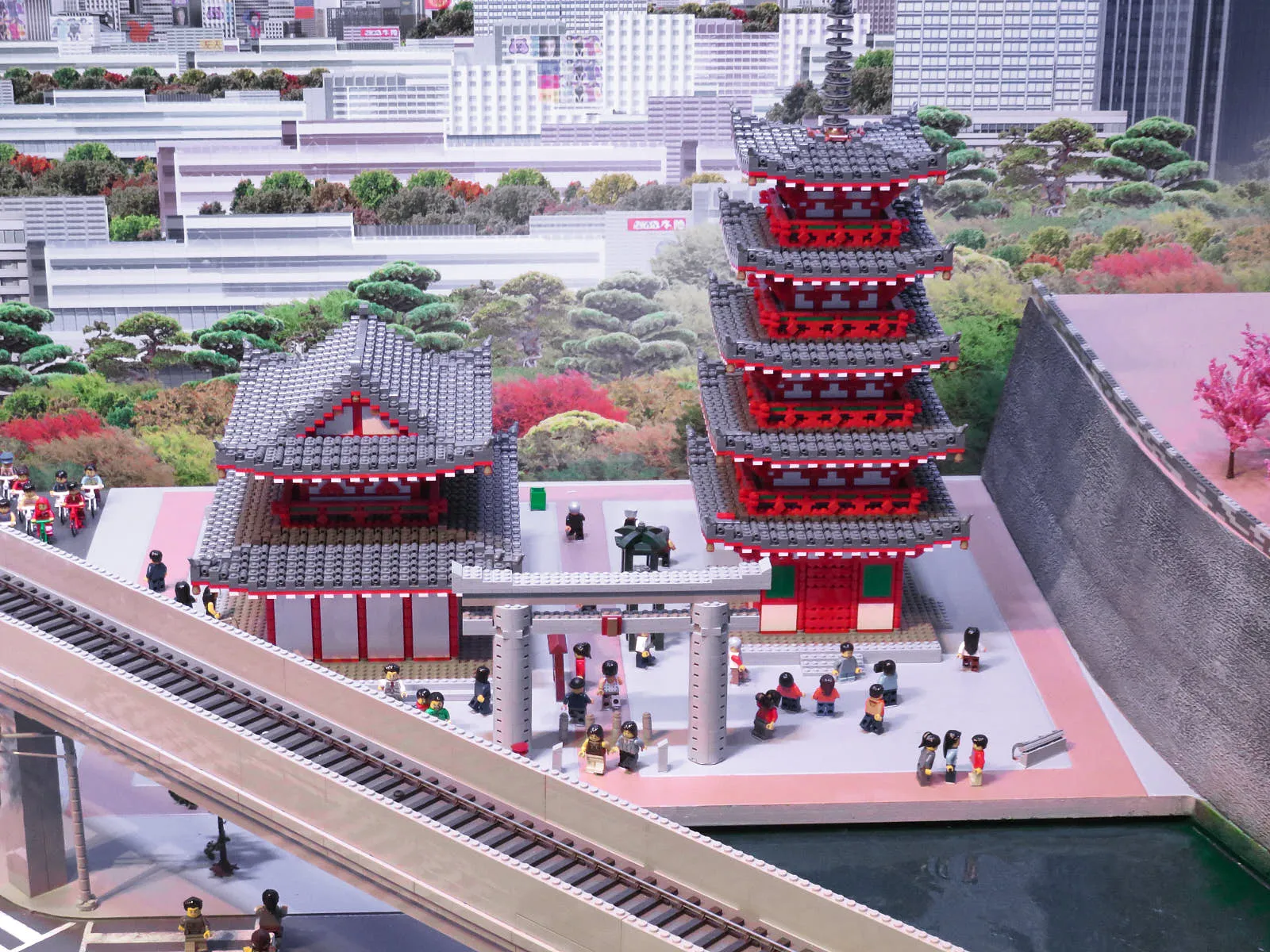
In addition, there are several parks on the grounds, a historic wooden ship is moored at the pier, and the Glion museum displays dozens of vintage automobiles — tickets cost 1,200 yen (7.44 USD). The village is located in the western part of the city — Osakako station, just 30 minutes by train from the Umeda or Namba districts.
Universal Studios Japan Theme Park
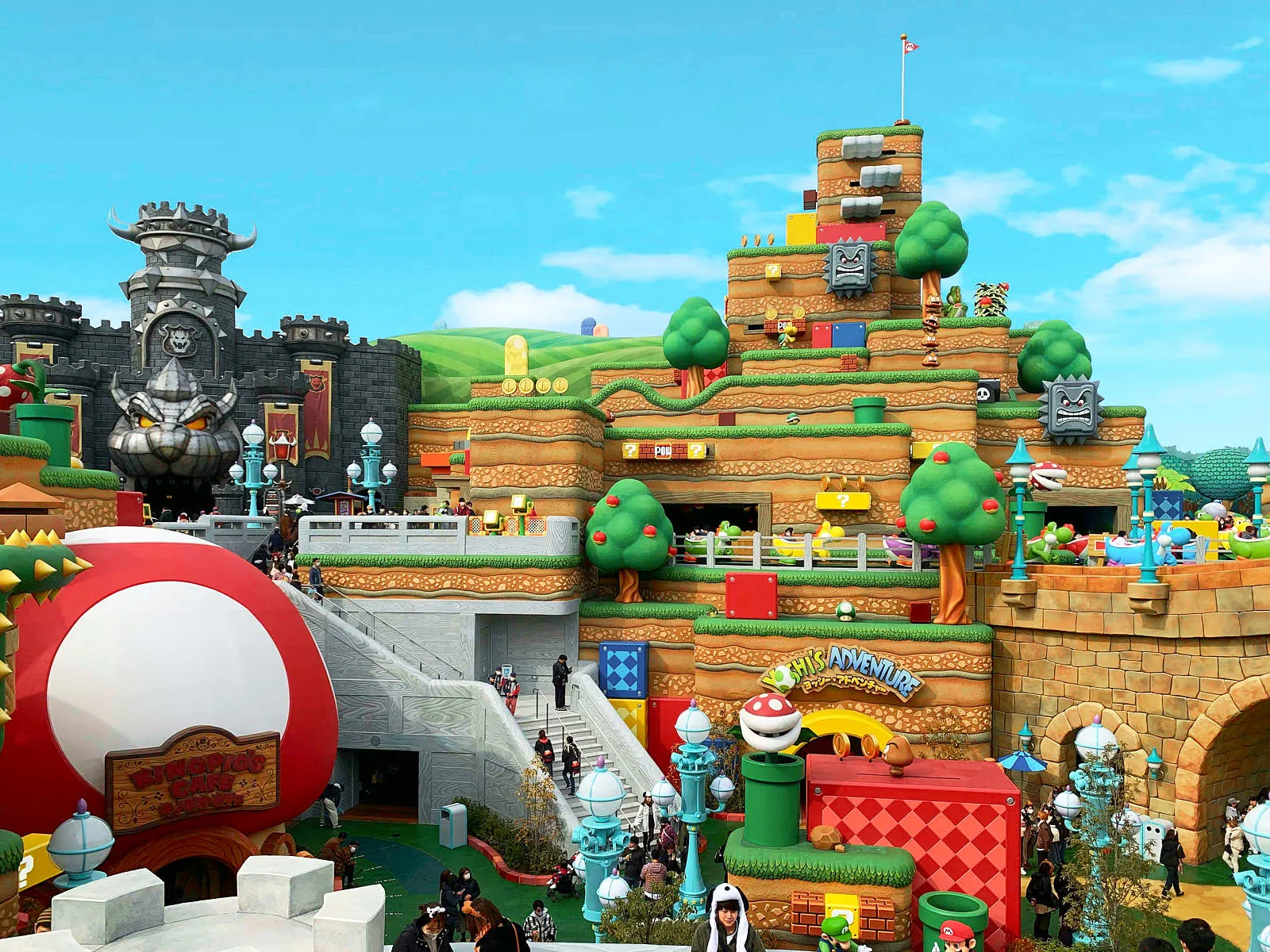
Theme park Universal Studios Japan in Osaka is the fifth most popular theme park in the world. Getting in can be quite a challenge — at the very least you'll need to wait in long queues, though you can cut down your waiting time somewhat by purchasing express tickets for roughly twice the standard price. Compared to Disneyland, USJ is geared toward an older audience: many of the most popular attractions have a minimum height requirement of 132 centimeters. The park is divided into ten zones: Hollywood, New York, San Francisco, Jurassic Park, WaterWorld, Amity Village, Universal Wonderland, Minion Park, The Wizarding World of Harry Potter, and Super Nintendo World. Each zone features its own range of attractions.
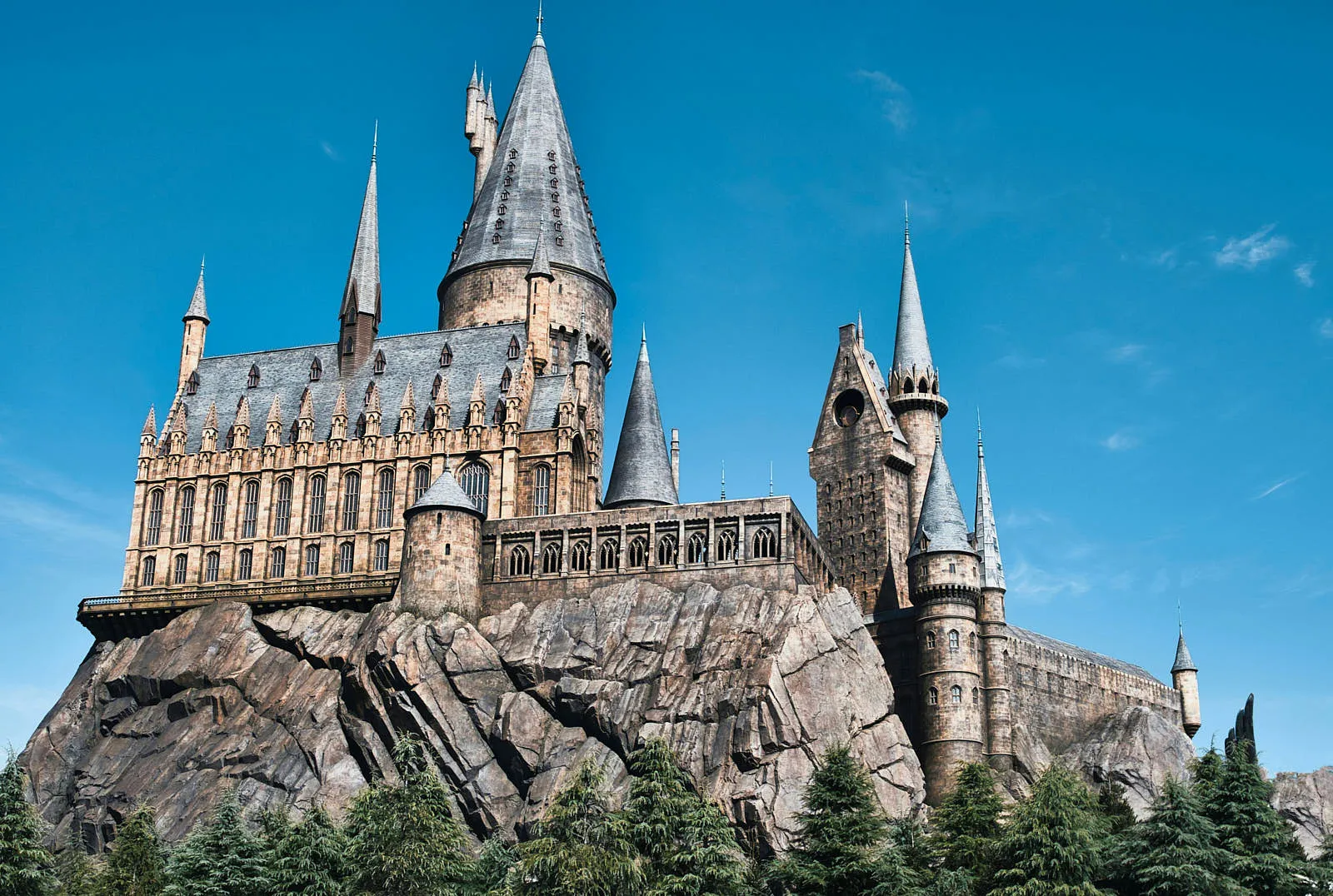
Next to the park you'll find Universal CityWalk Osaka ♡ — a shopping complex with several official Universal hotels and a wide selection of restaurants and shops selling Universal Studios merchandise and Osaka souvenirs. A ticket starts from 8,900 yen (55.2 USD) for an adult and from 5,700 yen (35.3 USD) for a child.
Markets
Kuromon Ichiba Market is an iconic destination for lovers of Japanese gastronomy. Restaurants and chefs have been sourcing fresh produce here since 1822. In recent years, the market has become one of the most popular tourist attractions in the city. Today it is not only a place to buy ingredients, but also a place to eat, with 150 street stalls, 25 restaurants, izakaya bars, and seafood-focused cafés all preparing food on site. What to try: scallops — buttery sea scallops grilled and seasoned with soy sauce, and oden — fish cakes simmered in a seafood broth.
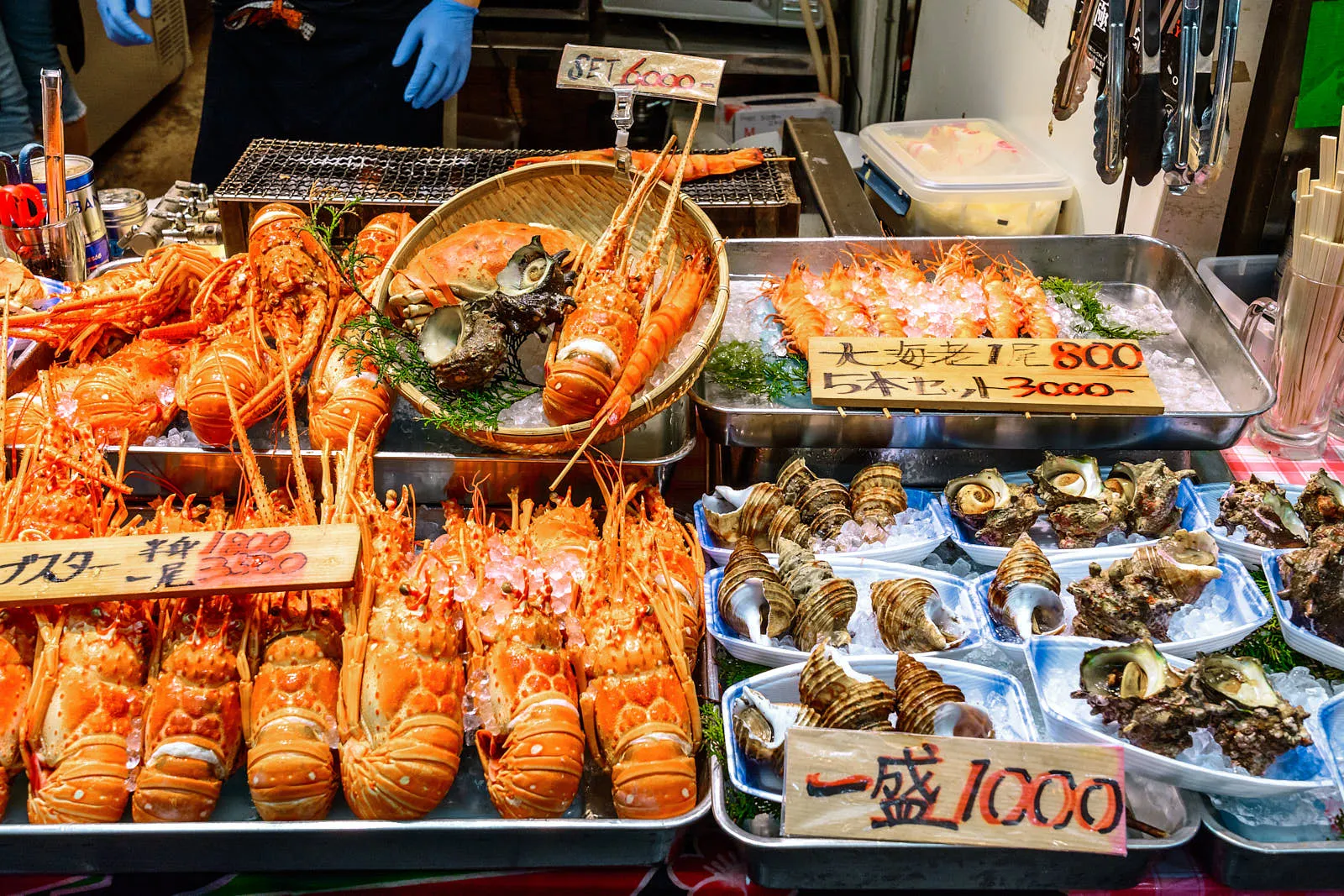
Nakanoshima Fish Port is located near the government district and the Ajigawa River. A market opened here in 2015 and has since become one of the city's trendiest urban spaces. Tsuruhashi Market, known locally as the "Korean Quarter," is famous for its shops selling kimchi, Korean barbecue restaurants, music stores stocking Korean pop, and souvenir shops.
Surroundings
Osaka is an excellent base for exploring the entire Kansai region: the cities of Kyoto, Nara, Kobe, and Wakayama. Each can be reached by train in about an hour from Osaka (Osaka Station in the north, Namba ♡ and Tennoji in the south). All the surrounding cities are conveniently accessible from Osaka by train — for more details on how to use them and how to pay for travel, see the Transport section.
Expocity ♡
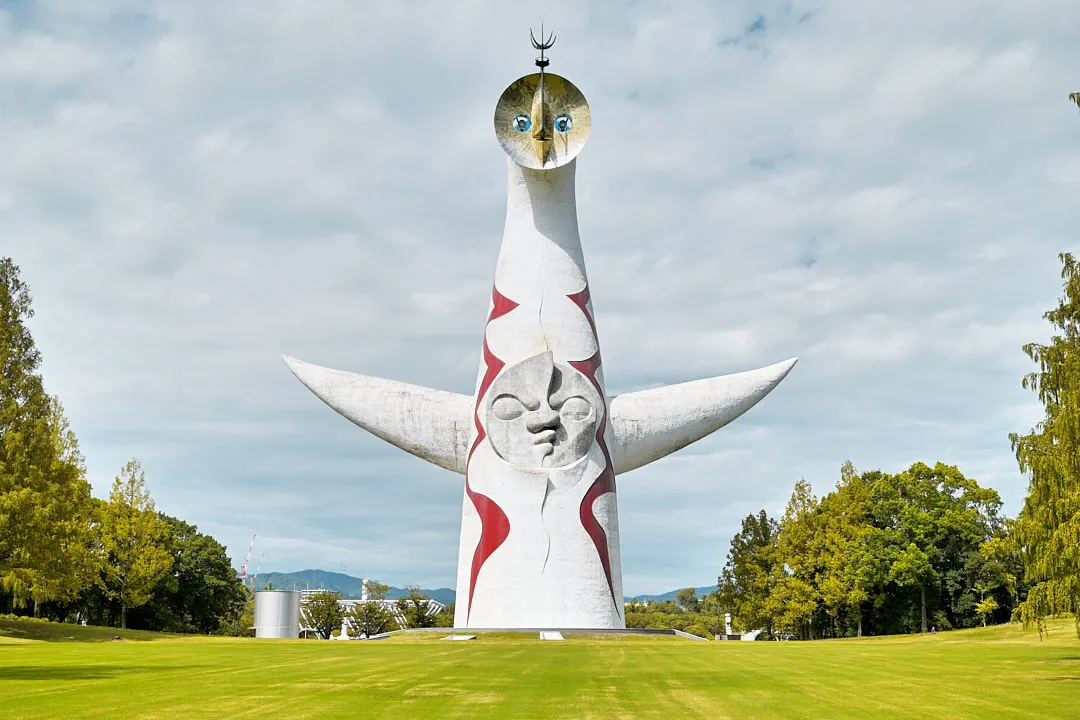
20 kilometers from Osaka In 1970, Osaka hosted the first World Expo. The site used for the exhibition has since been transformed into a park. It features gardens, the Expo Museum, and an aquarium Nifrel ♡, a Ferris wheel Redhorse Osaka ♡, a cinema complex 109 Cinemas, and the sculpture Tower of the Sun ♡ by the renowned Japanese artist Taro Okamoto.
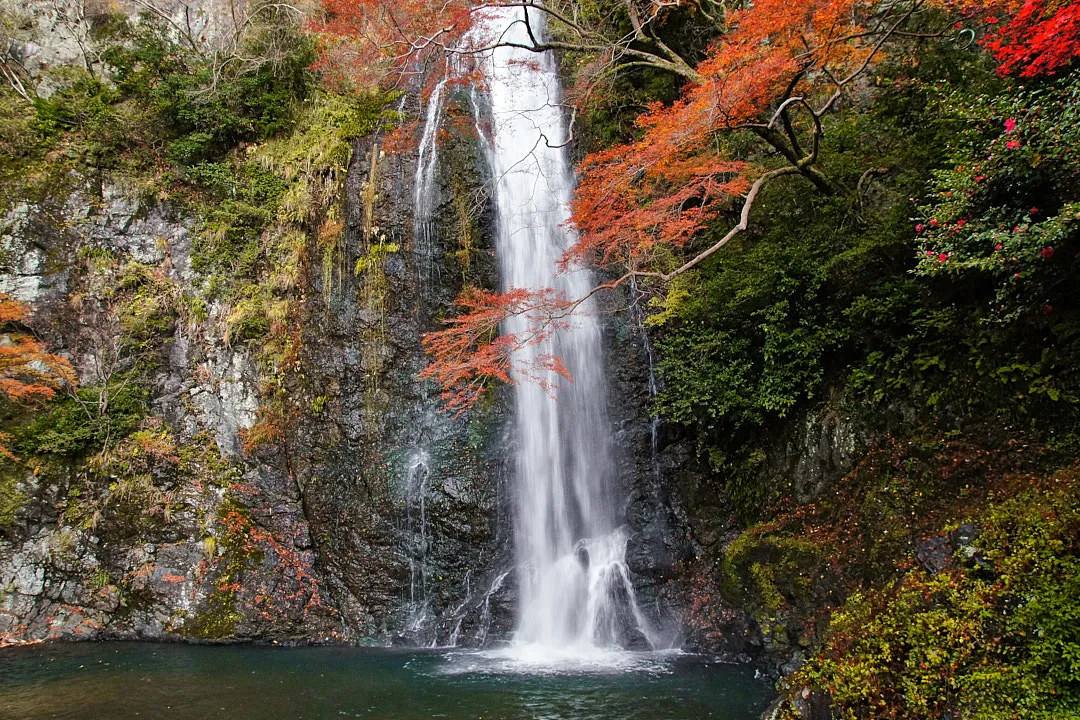
Nearby, in the city of Minoo, you can take a stroll through a vast park and walk to a waterfall — in autumn, crowds of tourists flock here to admire the spectacular, vivid foliage on the mountain slopes.
Sakai
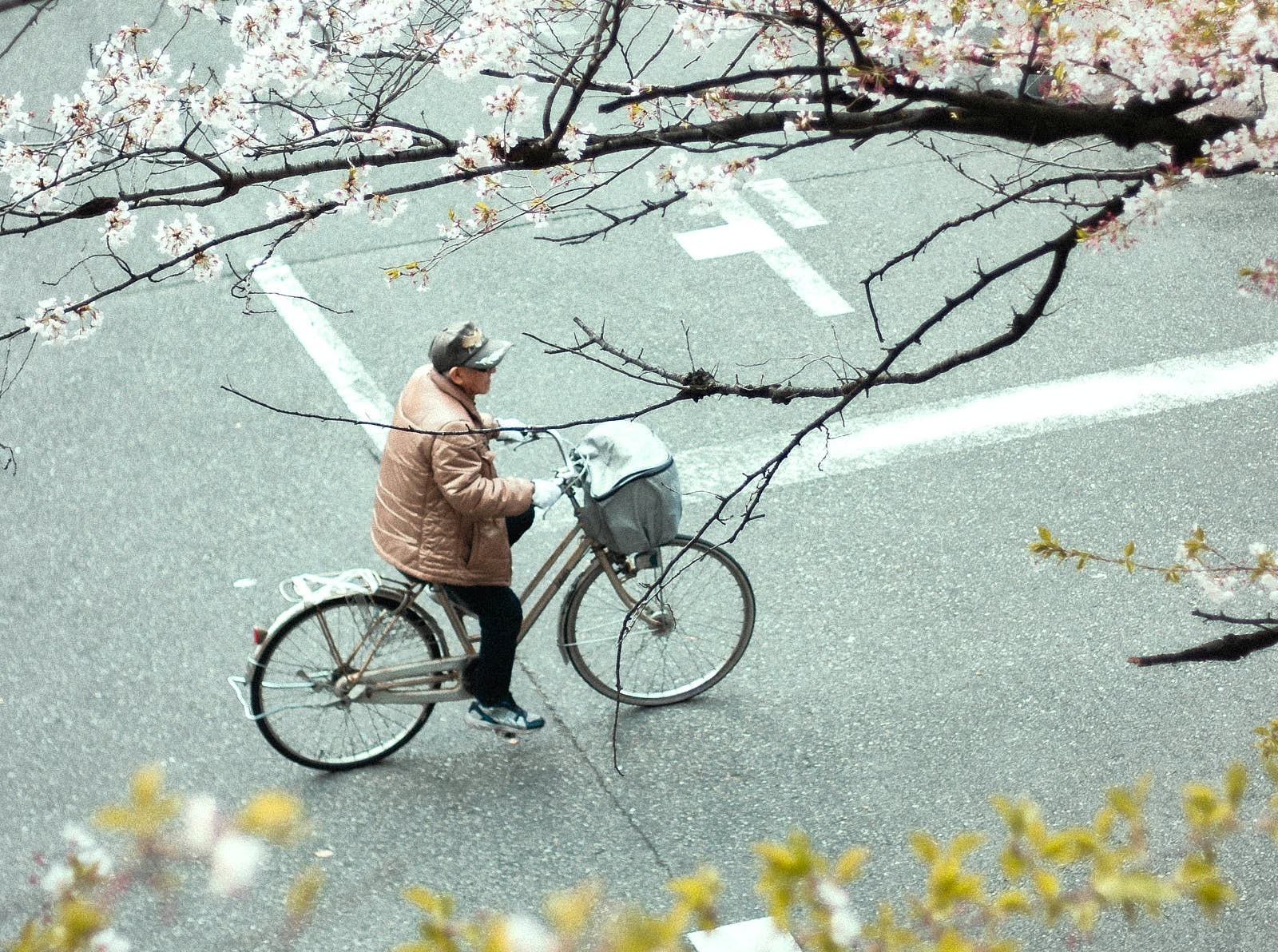
20 kilometers from Osaka In the 16th century, Sakai was a prosperous trading port and the birthplace of the legendary tea ceremony master Sen no Rikyu. Today the city is known for its cutlery — Sakai knives are highly regarded by professional chefs — and for bicycle manufacturing, with brands such as Kuwahara and Corner produced here. Whether for this reason or not, Sakai has excellent cycling infrastructure with dedicated paths laid out across the entire city. It is also home to one of the largest ancient burial mounds in the world, Daisen Kofun, shaped like an enormous keyhole-shaped mound standing 35 meters tall and 486 meters long.
Nara
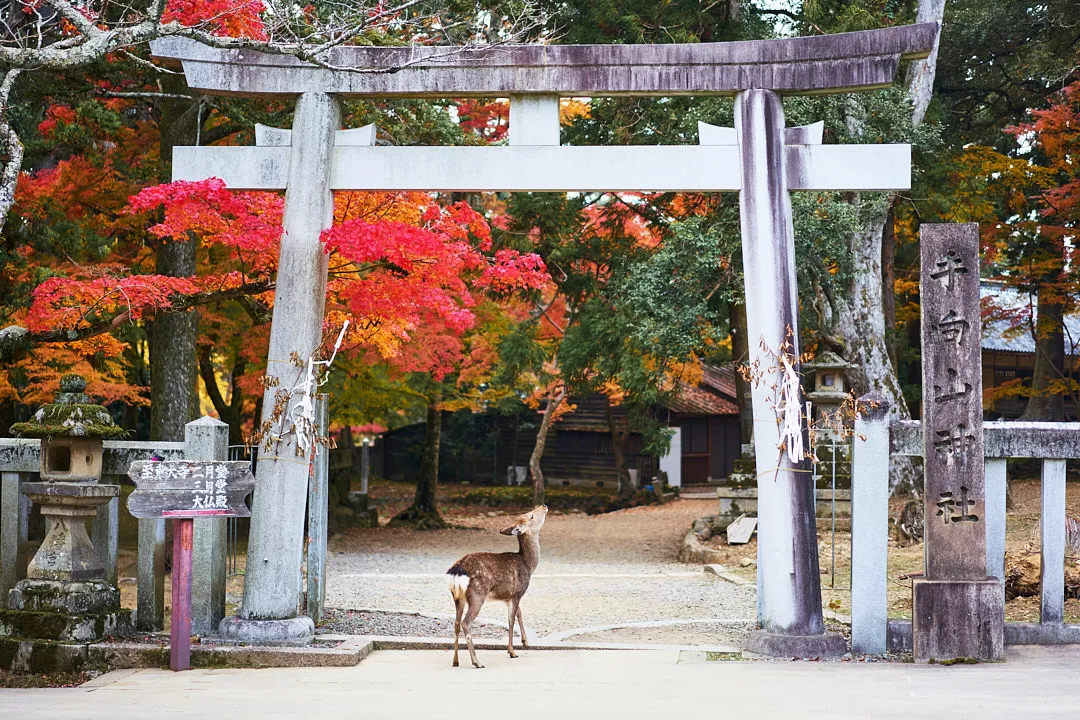
30 kilometers from Osaka Nara is one of the oldest cities in the country and served as the capital of Japan from 710 to 784. It is home to eight UNESCO World Heritage Sites: Buddhist temples — Todai-ji, which is the largest wooden structure in the world, Kofuku-ji ♡, Gango-ji ♡, Yakushi-ji and Toshodai-ji ♡, the Shinto shrine Kasuga-taisha ♡, Heijo Palace ♡ and the natural park of Kasuga.
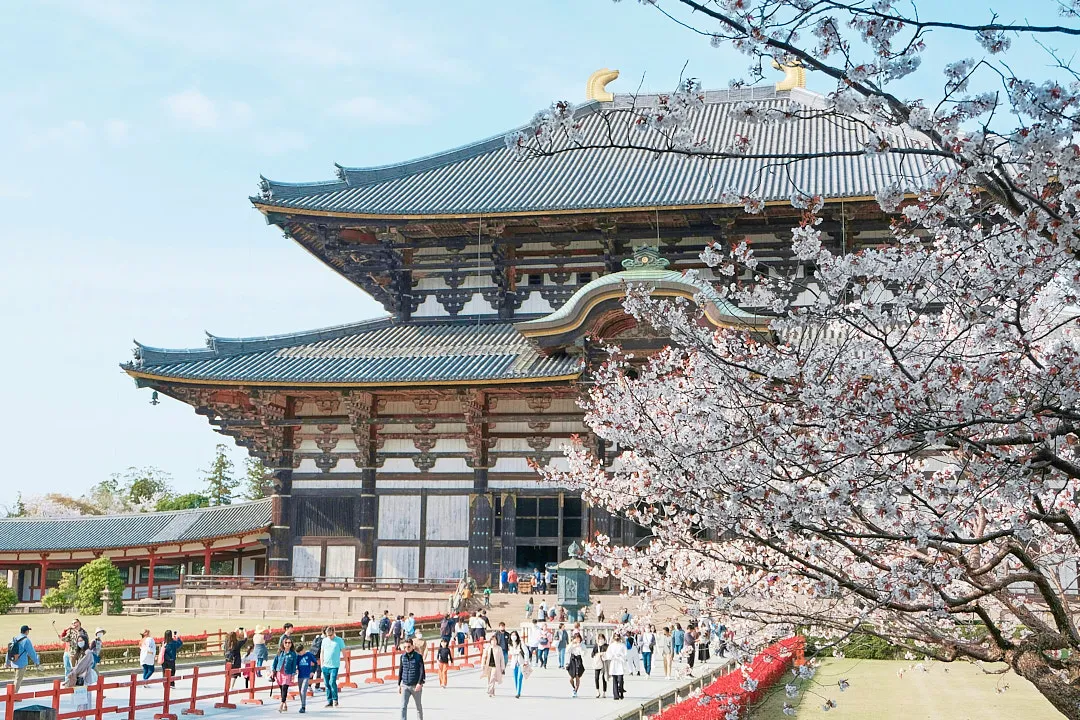
Another popular attraction in the city is Nara Koenpark. You can spend hours wandering its vast 500-hectare grounds, admiring ancient temples, getting lost in the exhibits at the National Museum, and trying to pet the tame sika deer.
Kobe
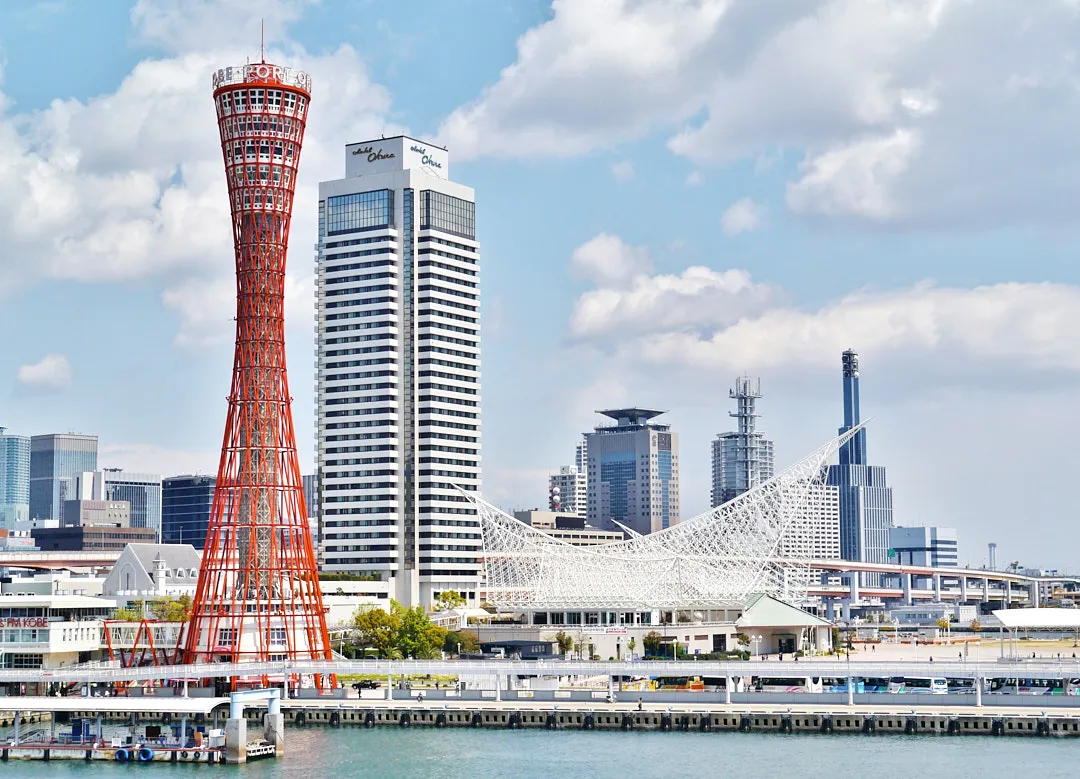
30 kilometers from Osaka The city is famous for its Kobe marbled beef — meat from local Tajima cattle, prized worldwide for its tenderness and rich flavor. The best view of the city can be had from the port tower 108 meters tall. A cable car runs up the slope of the Rokko mountain range, and you can ride it to the top and walk to the Nunobikibotanical garden, stopping along the way to see the waterfallas well. The cable car ride up costs 2,000 yen (12.4 USD).
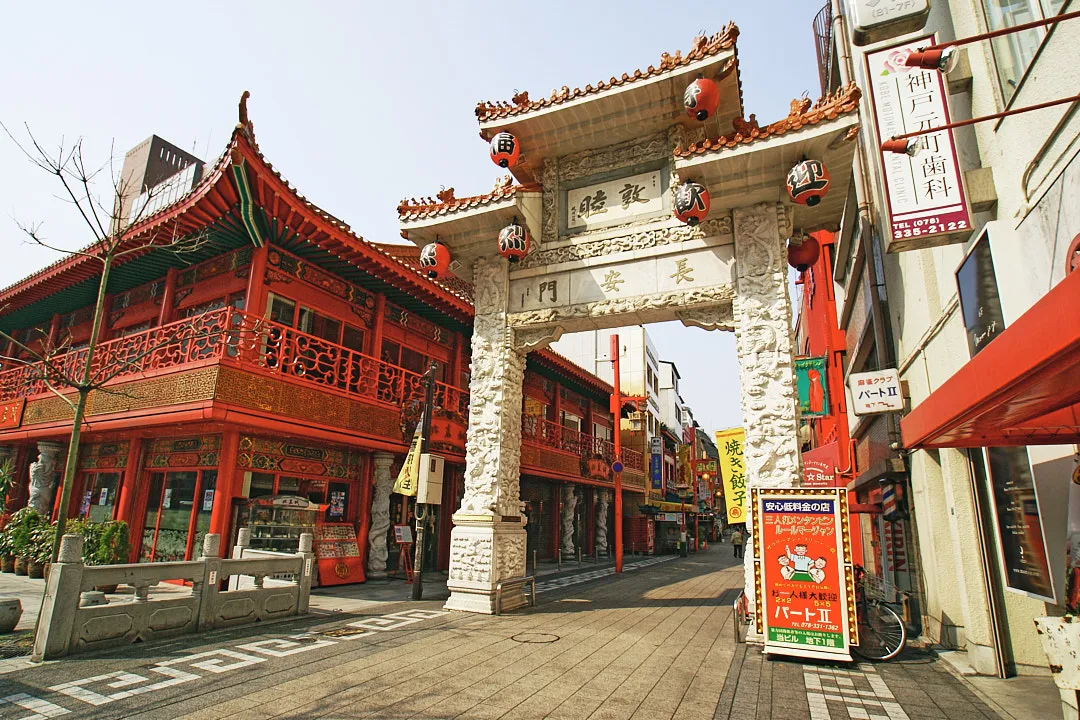
Also of interest is Japan's oldest Shinto shrine, Ikuta, dating back to the 3rd century (visiting the shrine and strolling its grounds is free), Arima Onsen ♡ — a resort town with natural therapeutic waters and traditional Japanese onsen baths. Be sure to also visit Chinatown — one of only three Chinese quarters in Japan. Given the strained relations between the two countries, it is remarkable that they have survived at all.
Kishiwada
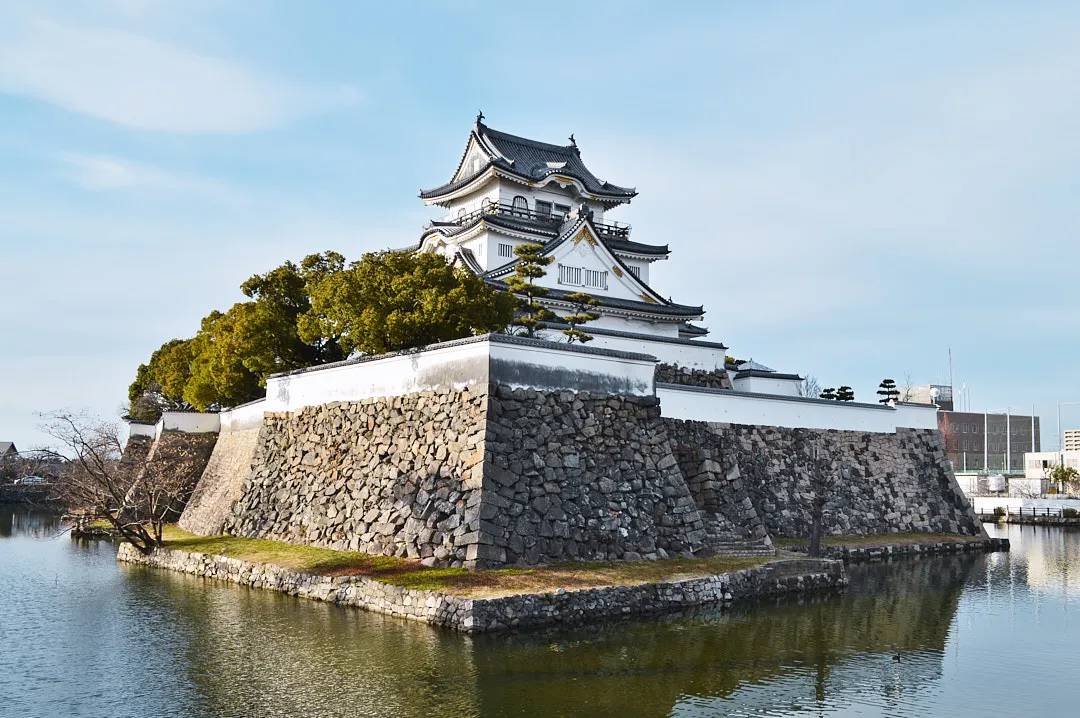
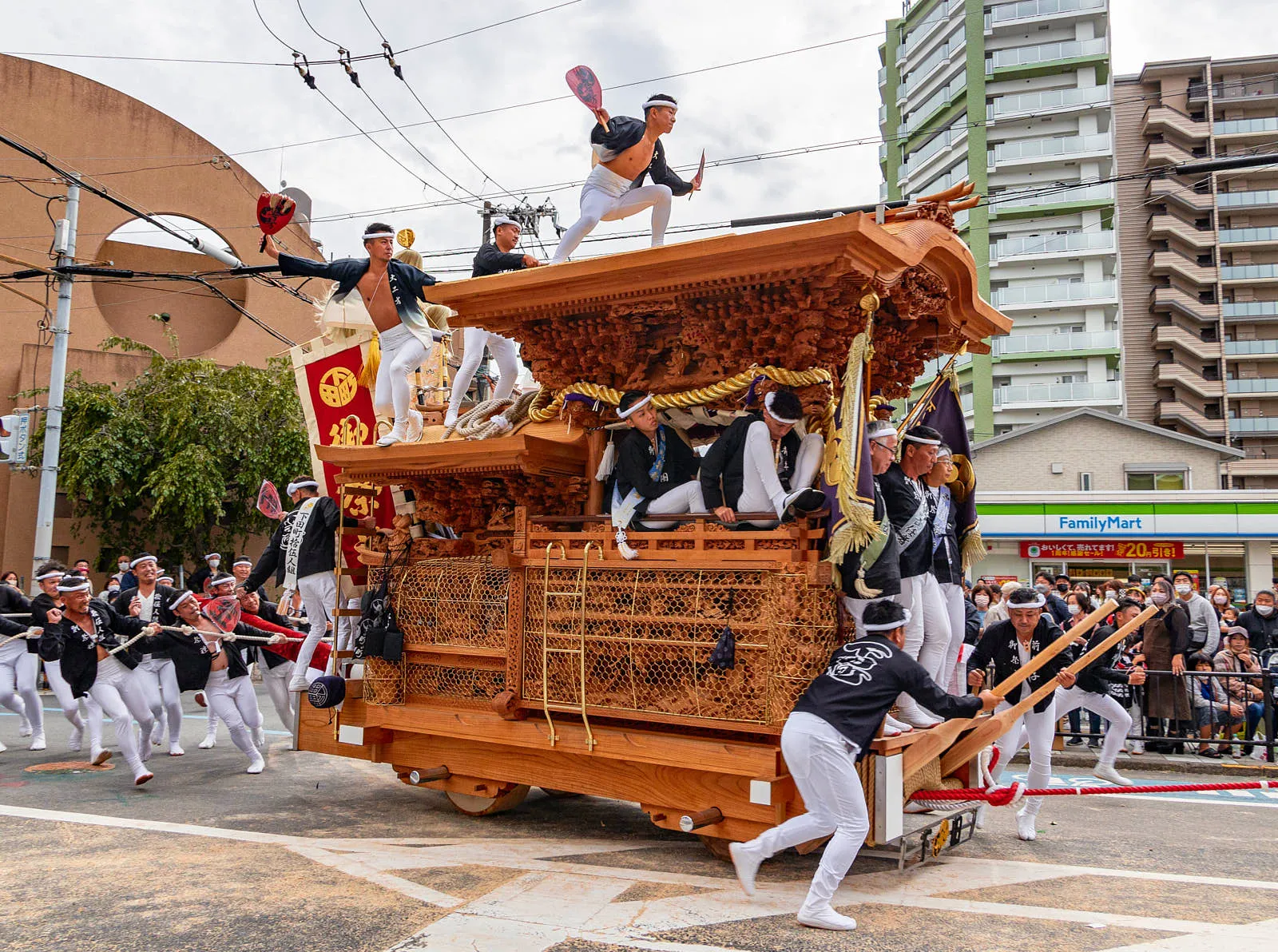
40 kilometers In addition to its magnificent castle, Kishiwada is famous throughout Japan for its annual float festival, Danjiri Matsuri. A danjiri is a large wooden cart shaped like a shrine. During the festival, these carts are pulled through the streets of the city. This lively and boisterous event draws half a million spectators and takes place every year in September. You can also come here to stroll through the vast natural park Tonboike, where you can build a campfire and spend the night in a tent by the pond.
Kyoto
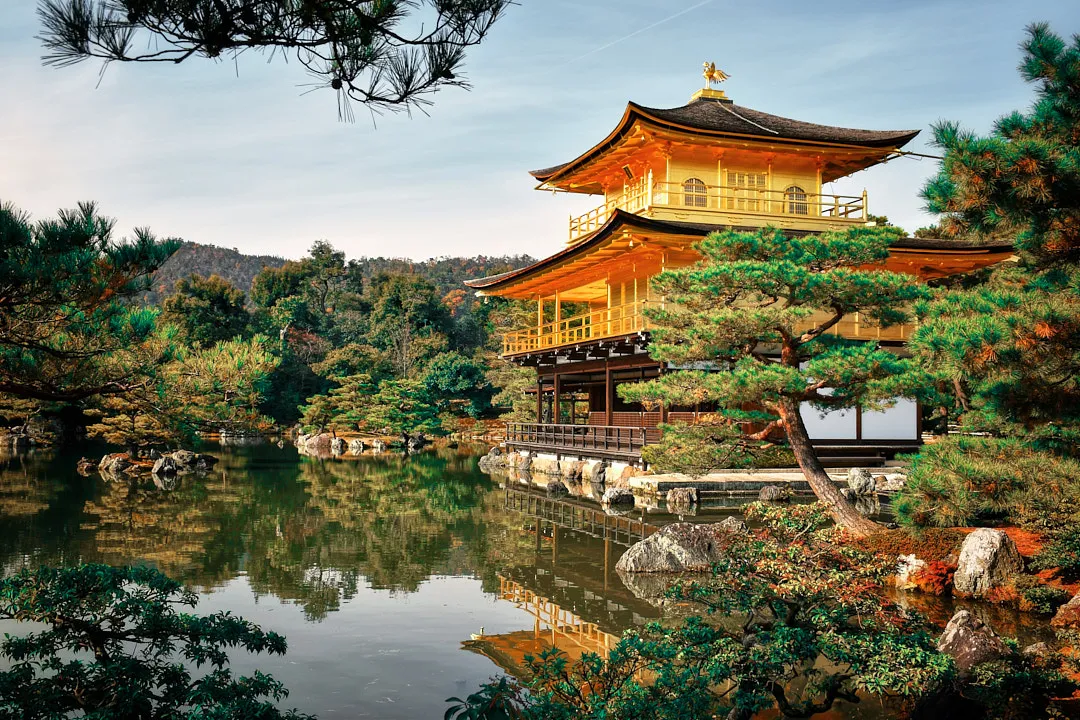
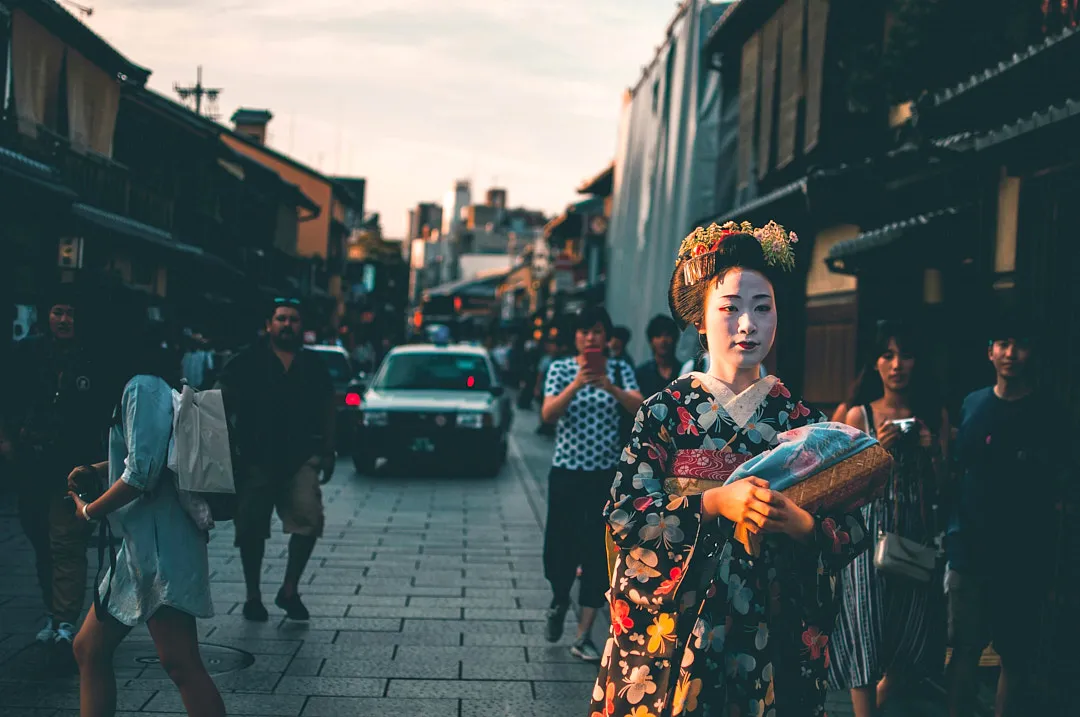
50 kilometers from Osaka Although Kyoto can be visited as a day trip, there are so many attractions here — around two thousand religious sites alone — that it is better to set aside three to four days for sightseeing. But if you have to pick the very best from the wealth of interesting places, they would be the shrine Fushimi Inari-taisha, the Buddhist temples Kinkaku-ji ♡ (with its gilded facade), Ginkaku-ji ♡, Kiyomizu-dera ♡, the Imperial Palace, the residence of the shoguns — Nijo Castle, built from cypress wood in 1603, and the geisha district of Gion. For a great view over the city and surroundings, you can climb Mount Arashiyama, where wild macaques also live.
Akame 48 Waterfalls
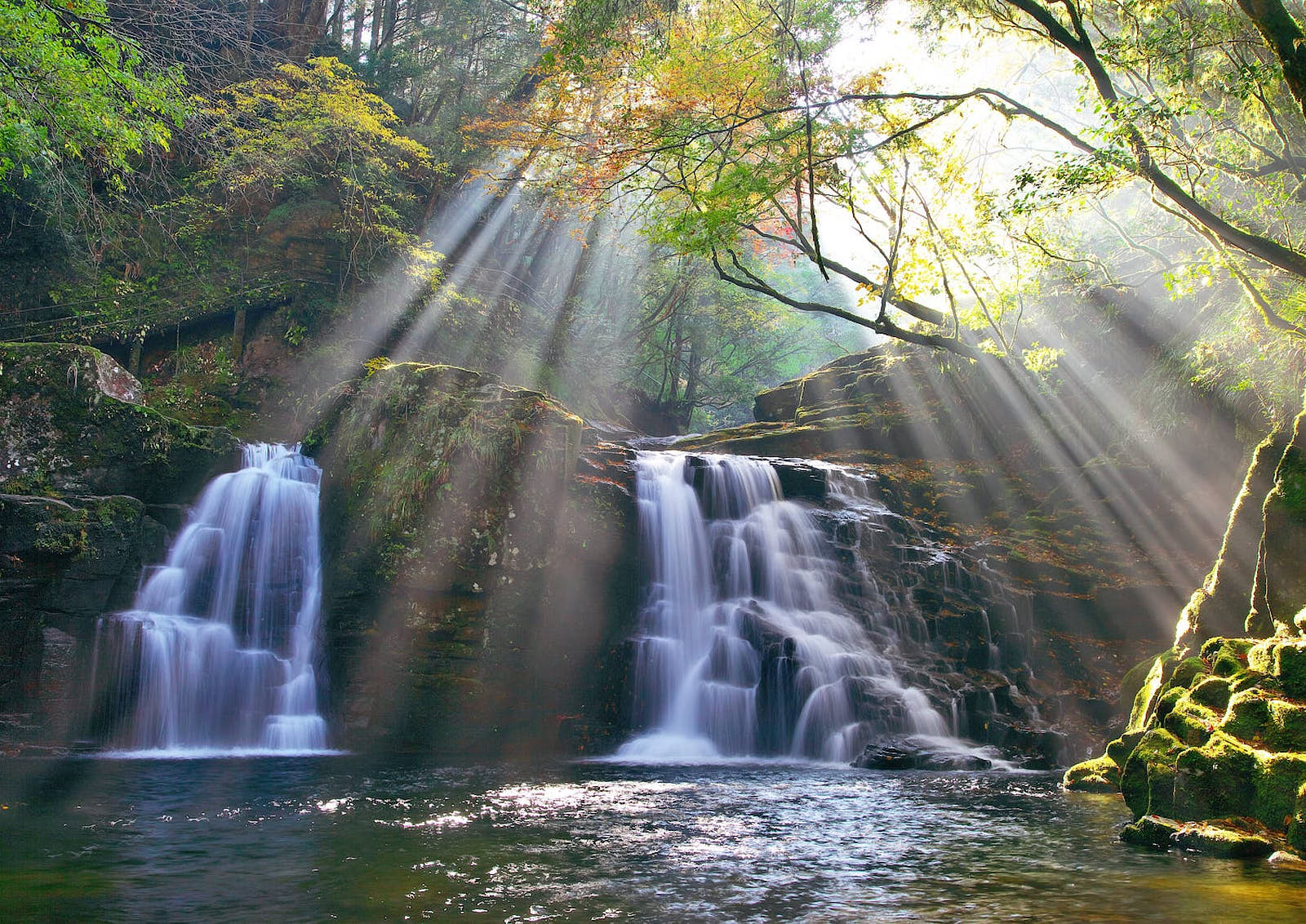
50 kilometers from Osaka Waterfall Akame 48 is located in a national park Murō-Akame-Aoyama Quasi. An easy trail leads to it, winding through the forest along a river and surrounded by many small waterfalls. Within the park there are several cafes, a shop, a souvenir stall, a Buddhist temple, and an information office. You can easily spend at least half a day here. The entrance fee is six yen (0.04 USD).
Map of Osaka
Материал для подписчиков
Эта часть статьи доступна подписчикам канала «Самокатус по подписке».
Уже подписаны? Войдите, чтобы получить доступ
Accommodation
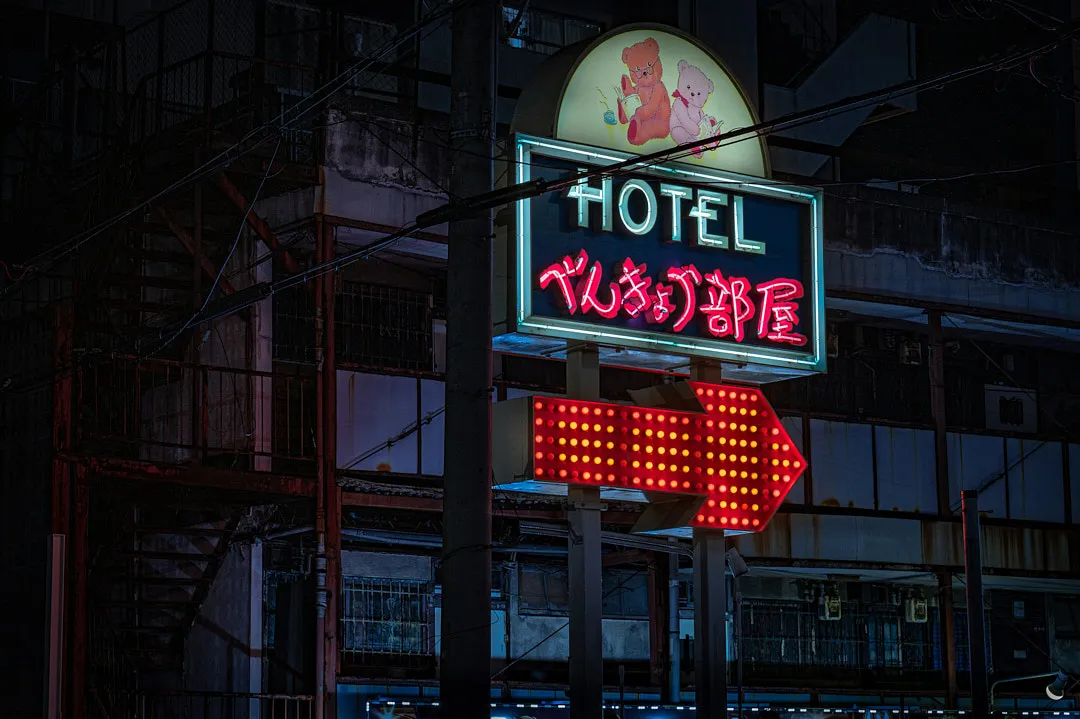
The most convenient areas to stay are Umeda, Dotonbori, Namba, and Shinsaibashi. The most luxurious hotels are found in Namba, Shin-Osaka, and Umeda. Honmachi has many affordable business hotels.
In most hostels, a dorm bed will cost 2,000–3,500 yen (12.4 USD–21.7 USD) per night. A private room costs 5,500–9,000 yen (34.1 USD–55.8 USD). Budget hotels often have no windows. A tiny studio on Airbnb can be rented from 4,500 yen (27.9 USD), though you should generally expect to pay 8,000–9,000 (49.6 USD–55.8 USD).
We have selected a few good hotels in different neighborhoods.
Umeda
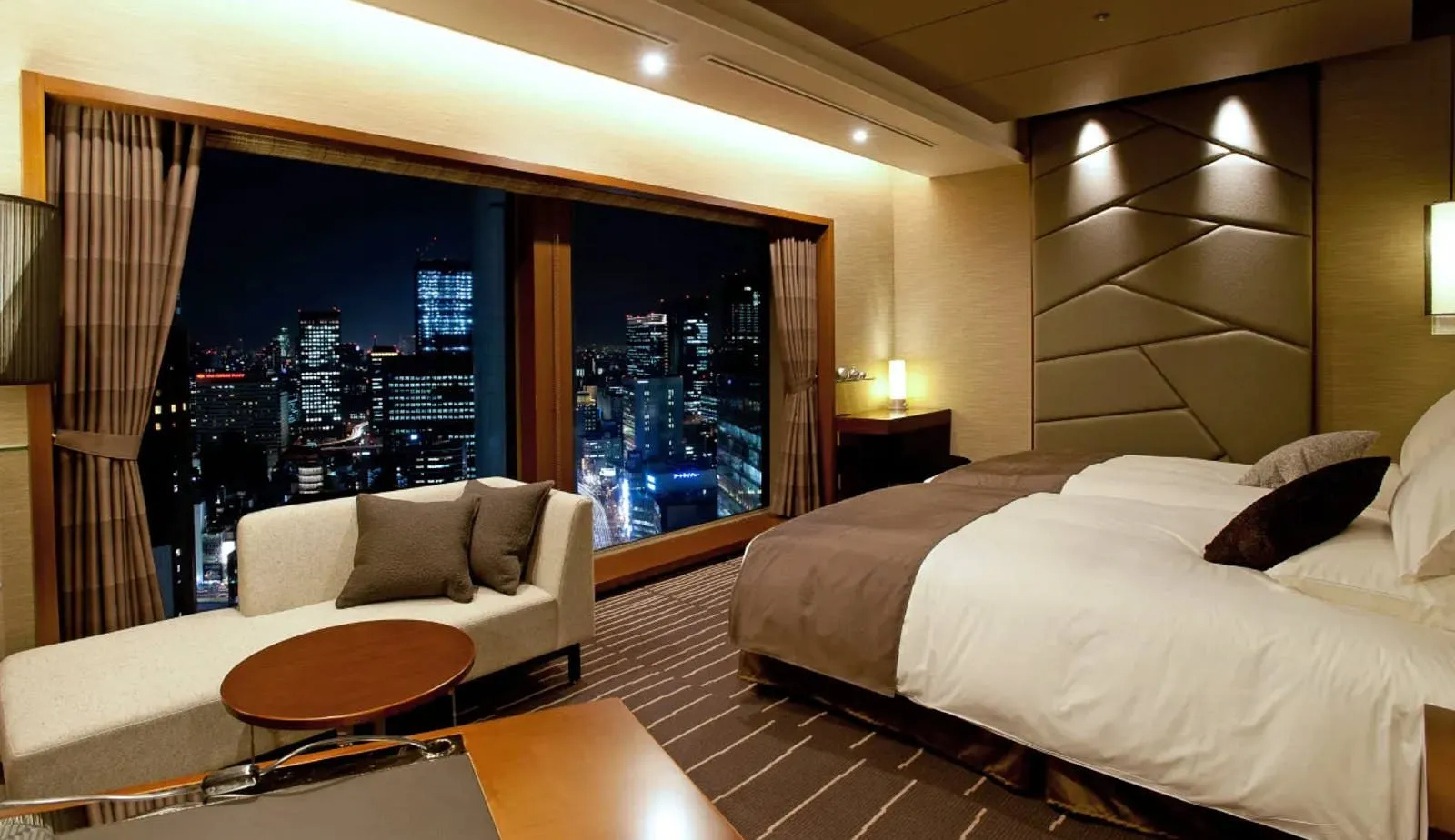
Umedaholic — quiet rooms with a private bathroom, from 12,800 yen (79.4 USD).
Monterey Osaka — a hotel in a pseudo-historical style with an unusual chapel on the eighth floor, and rooms featuring retro charm kept to a minimum. A night in a room starts from 15,600 yen (96.7 USD).
Granvia — nearly four thousand reviews and a rating of 9+, from 21,000 yen (130.2 USD).
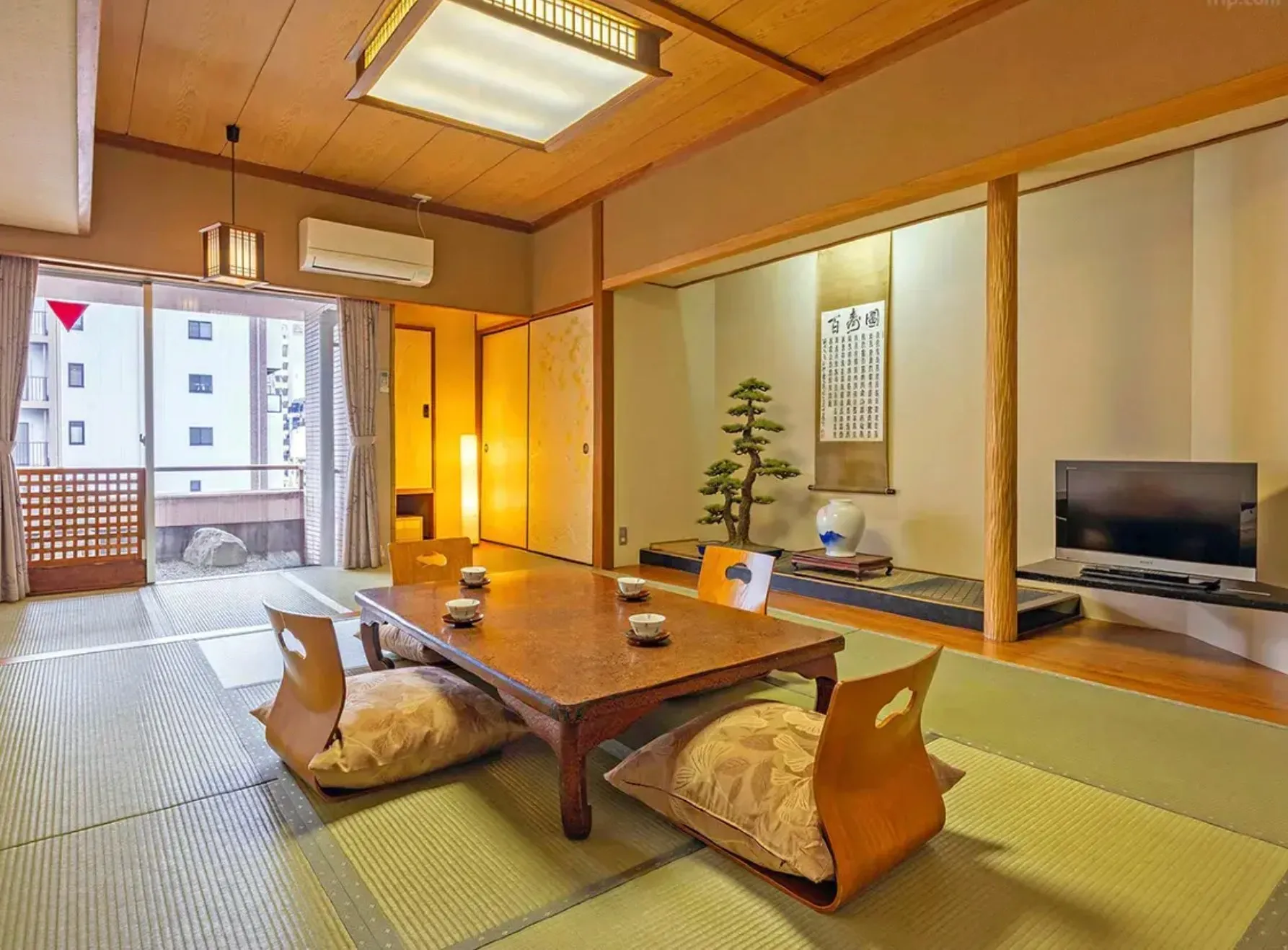
Oyado Nakaz — a room in traditional style with a floor-level table and a small kitchen with a stove, from 21,800 yen (135.2 USD).
Moxy — stylish rooms and a great overall vibe, with affordable and good breakfasts at 7 USD per person. A night at the hotel starts from 22,800 yen (141.4 USD).
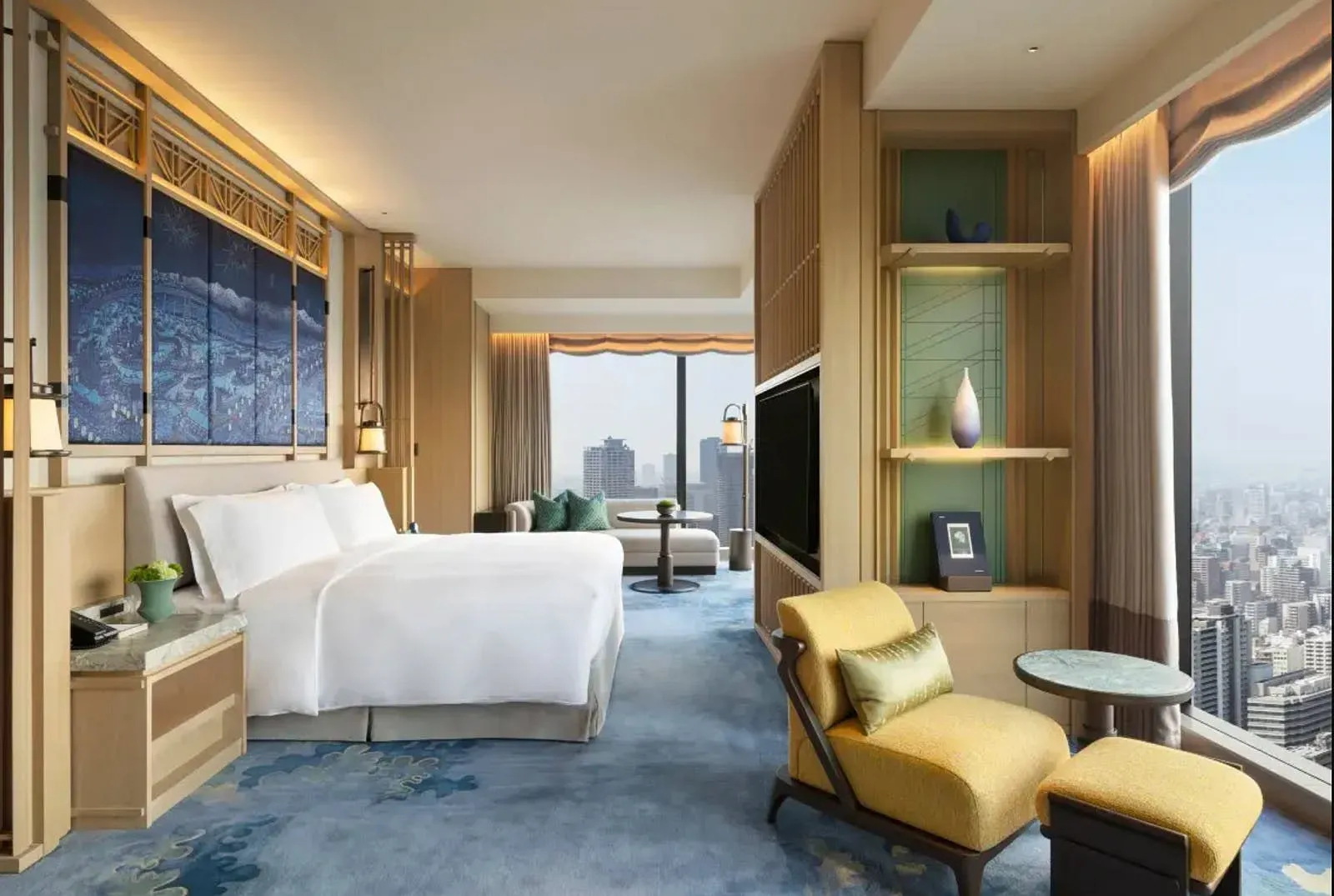
The Westin Osaka — great views of the city and the reliability of a chain hotel, from 40,000 yen (248 USD).
Waldorf Astoria Osaka — expensive and luxurious, everything you'd expect from a five-star hotel, from 100,000 yen (620 USD) per night.
Dotonbori
Mitsuwaya — a stylish hostel with comfortable and spacious common areas, hammocks and chairs on the rooftop for fresh air, and tasty if simple breakfasts, from 10,000 yen (62 USD).
Kamon — the hotel's main highlight is its spacious four-bed rooms with a table and corner sofa where guests can grab a bite, from 11,800 yen (73.2 USD).
Hillarys — guests are treated to ice cream, and the rooftop features a hot-water pool, from 13,000 yen (80.6 USD).
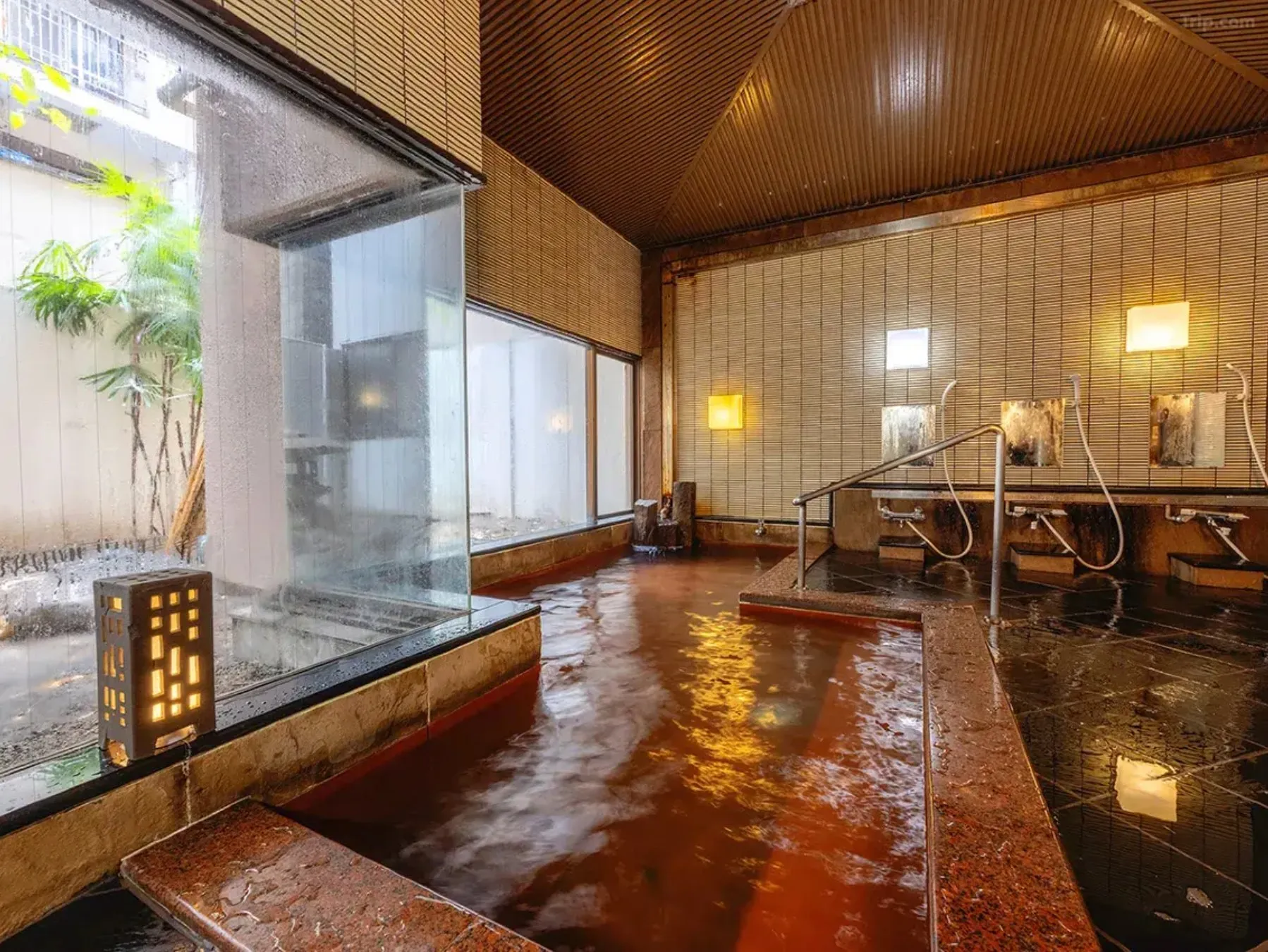
Ryokan Kuramoto — a traditional Japanese ryokan with floor-level mattresses and tables and classic room design. The inn has its own hot springs. From 13,000 yen (80.6 USD) per night.
Namba
Plum — if you look at the hotel's photos, the rooms seem tiny. But if you look at photos posted by guests, they all praise the room sizes, and their pictures back that up. From 10,800 yen (67 USD).
Sotetsu Grand Fresa — self check-in, compact rooms, but breakfast is included, from 11,500 yen (71.3 USD).
Monterey Grasmere — rooms offer a great view of the city, so ask for a higher floor, from 20,000 yen (124 USD).
Keihan Namba Grande — stylish rooms, buffet breakfast, quality toiletries, free laundry, and complimentary Starbucks coffee — from 24,600 yen (152.5 USD).
Public Transport
Travel cards. You can always pay for any type of transport in cash — this is convenient if you're visiting for just one day and don't want to bother with travel cards. But if you're staying in the city for at least a couple of days, it will be cheaper and more convenient to use IC travel cards. Don't forget: if you've purchased the tourist Osaka Amazing Pass, it allows unlimited travel on city public transport.
Icoca. In Osaka, Kyoto, Kobe, and the Kansai region, the Icoca card is accepted for paying for commuter trains and the subway. Cards are sold at ticket machines at commuter train stations. You can top up the balance at the same machines. The card costs 2,000 yen (12.4 USD), of which 500 is a deposit that can be refunded by returning the card at the ticket office after your trip, while 1,500 goes onto the card balance. Since IC cards are used by everyone in Japan, they can also be used to pay for certain purchases at shops and vending machines, functioning like a bank card.
Enjoy Eco Card — a one-day pass for unlimited use of the subway and most city buses. It can be purchased at ticket machines at subway stations. The pass costs 820 yen (5.08 USD). It also gives discounts on admission to 30 attractions.
JR Pass — a special pass available only to tourists that allows you to save significantly on train travel, including high-speed Shinkansen services (except Nozomi and Mizuho). A seven-day pass costs 50,000 yen (310 USD), a 14-day pass — 80,000 yen (496 USD), and a 21-day pass — 100,000 yen (620 USD).
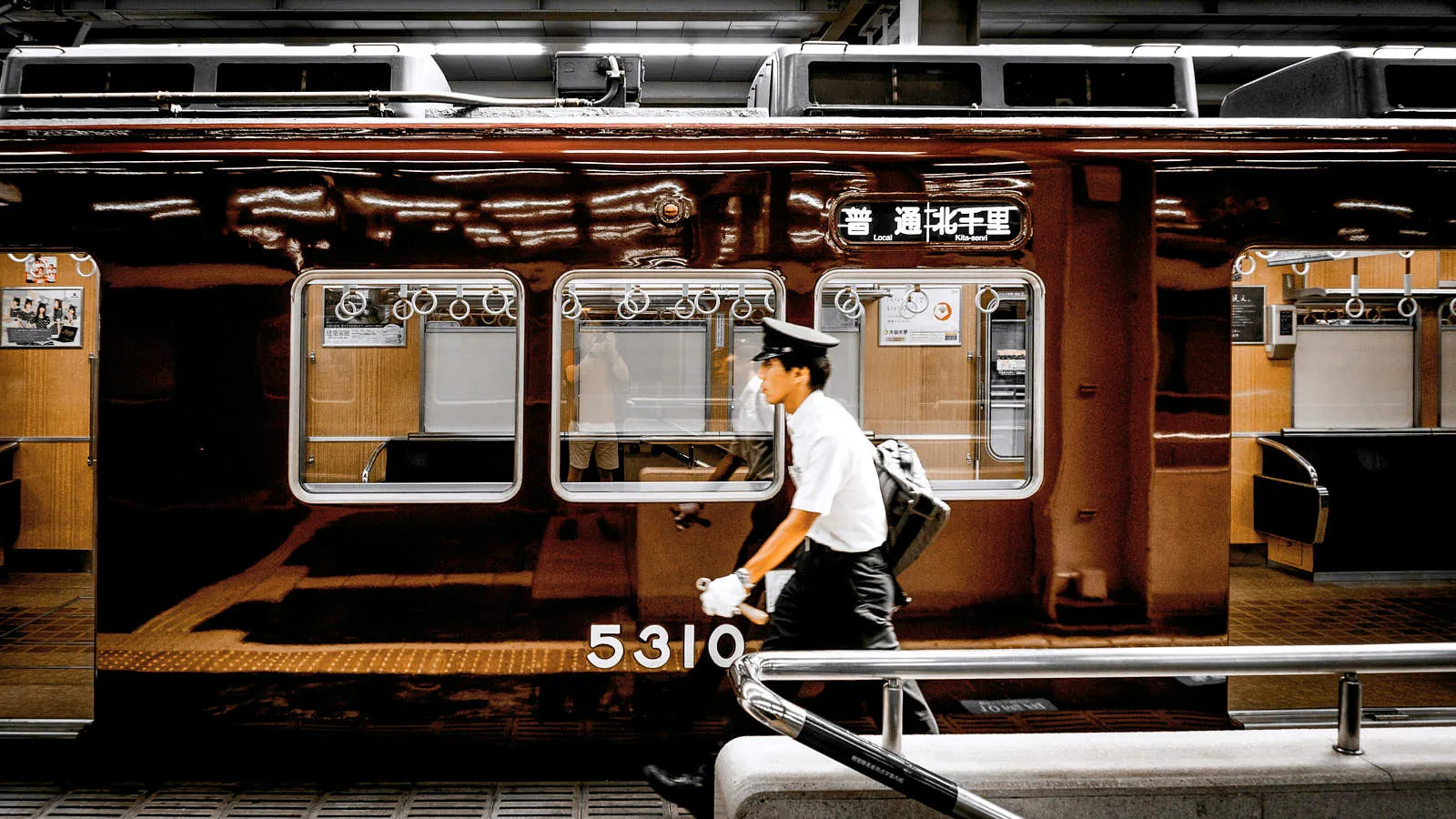
Subway. The subway lines and the urban and commuter train lines of various railway companies are integrated into a single system, which can make navigating the transport network somewhat confusing. That said, rail transport remains the most convenient way to get around Osaka. The subway operates from five in the morning until one at night. Fares depend on distance — the city is divided into five fare zones. Tickets are purchased at terminals at stations and must be bought for a specific destination station. You will need your ticket to pass through the turnstile when exiting the station. A fare in zone 1 costs 190 yen (1.18 USD), and to zone 5 — 390 yen (2.42 USD).
Train. Japan doesn't have a single railway company serving all routes — instead, there are many private operators. West Japan Railway Company trains not only connect Osaka with nearby cities and those beyond the prefecture, but also run within the city itself. The JR Osaka Loop Line is integrated into the subway system and consists of 19 stations. There are also two JR West lines connecting the city with Kansai International Airport — the Airport Express Haruka and the Kansai Airport Rapid. To reach the Universal Studios Japan theme park, ♡ you can take the JR Sakurajima Line. Fares are paid either with separate tickets or with IC cards.
Buses. Osaka has an extensive bus network. Not all stops along a bus route are mandatory — you need to request your stop by pressing a special button, which can be found near the seats and on the handrails. In the central part of the city, fares are fixed — 210 yen (1.3 USD) for adults and 110 yen ( 0.68 USD) for children. Outside the central area, fares depend on distance. You can pay on board at a terminal inside the bus, or use a travel card. There is no good bus map of Osaka in English, though route maps are sometimes available at bus stops. For more information about buses — here.
The Umegle tourist buses, painted in light green, run around the Umeda district and make 12 stops near the most popular subway stations and main attractions. You can purchase either a single-journey ticket or a day ticketto travel on a hop-on, hop-off basis.
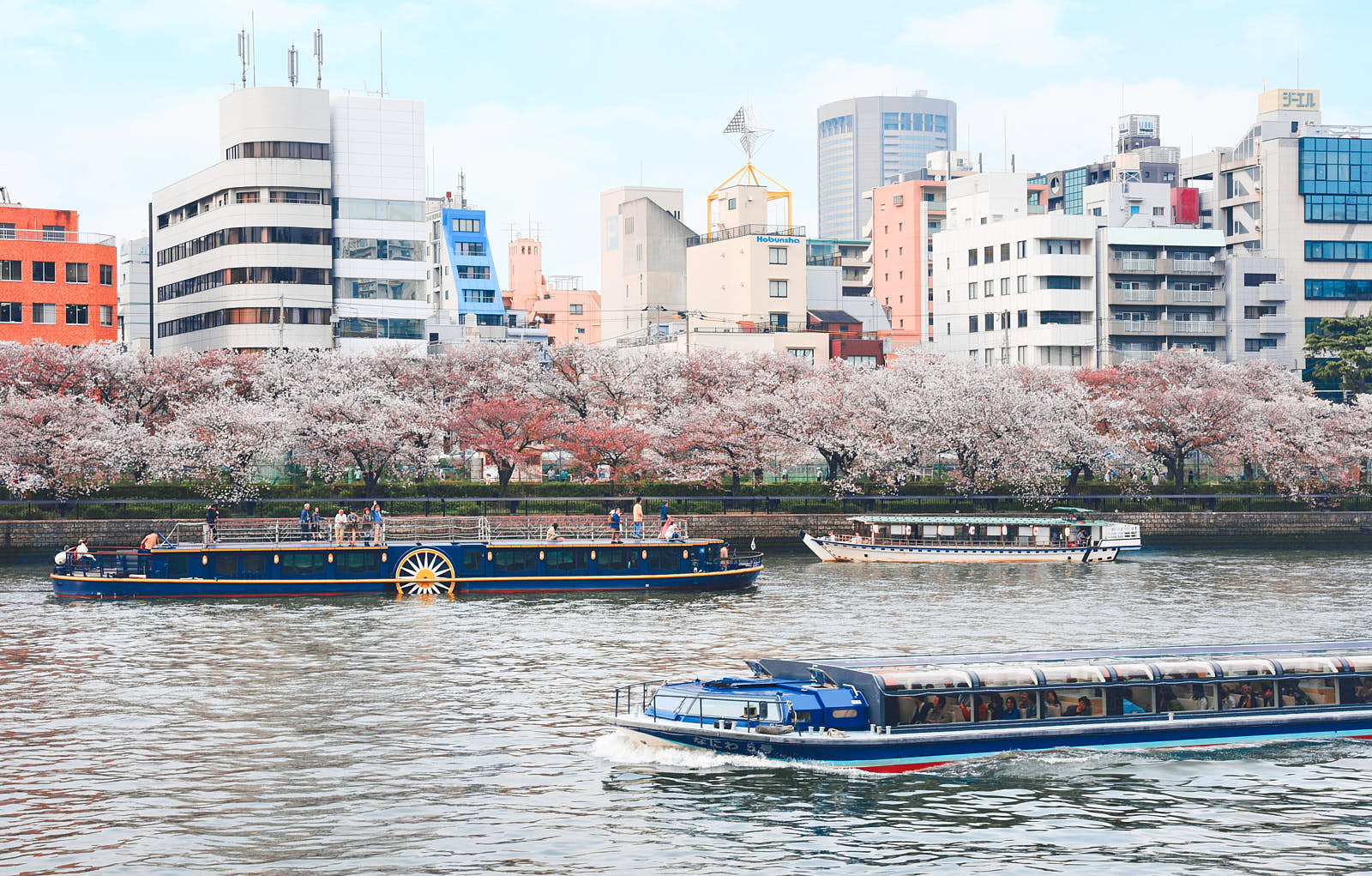
Water transport. The Aqua Liner water bus runs along the Okawa River, departing from the pier on the grounds of Osaka Castle. The timetable and route map can be found on the website. The operator also offers two additional routes:
The Aqua Mini boat can take you from Osaka Castle to Tazaemonbashi on the Dotonbori Canal and to Minatomachi in the Minami district.
The Santa Maria cruise ship, which sails around Osaka Bay from the western pier near the aquarium.
Taxi. Several taxi companies operate in Osaka. Their stands are located near railway and bus stations and close to popular attractions. You can also easily hail a cab on the street by raising your hand — a free taxi will have a red indicator light glowing in the lower left corner of the windshield. Some drivers speak English, but it is best to prepare the name of your destination or its address in Japanese in advance. Fares are metered, so always carry cash, as cards are rarely accepted in taxis. Taxis in Japan are expensive; a short ride will cost from 1,500 yen (9.3 USD). Bicycle rental. Several companies offer bicycle hire in Osaka: the company HUB chari has more than 250 docking stations across various districts of the city and offers both regular and electric bicycles. Docomo Bike Share operates many stations located near subway exits. Hello Cycling has more than 160 docking stations open in Osaka. The cost of a one-day rental is around 1,500 yen (9.3 USD).
Car rental. Foreigners are not permitted to drive in Japan without a Japanese driver's license.
Connectivity
With the spread of international eSIMs (Airalo, Unisim, and others), for short trips it is often more convenient and cost-effective to use them rather than bothering with local SIM cards. The moment your plane lands, you already have a connection. That said, if you are staying in the country for a week or more, a local SIM will almost always work out cheaper. We published a comprehensive guide covering the most popular eSIM providers — it explains what an eSIM is and which operators connect best in which country. In the past, traveling to Japan meant dealing with renting a pocket router or spending a lot of time and money buying a SIM card. Things are much simpler now. However, if your phone does not support eSIM, there is a section below for you as well.
Here are the rates of the most popular eSIM providers for Japan:
• Trip.com — 30 GB for 15 days costs 15 USD.
• Yesim — 10 GB for 30 days costs 17 euros (19.5 USD).
• Airalo — 10 GB for 15 days costs 15.50 euros (17.8 USD). Promo code for new users: TRAVEL7460.
If you are unable to use an eSIM, the most convenient way to access mobile internet in Japan is to rent a pocket Wi-Fi router with a SIM card. Many companies offer this service; for example, E Connect charges from 600 yen (3.72 USD) per day, and a power bank is included with the router; Wifi Rental Store — 400 yen (2.48 USD) per day, but without a power bank. Other providers include Ninja WiFi, G-Call, JAL ABC, PuPuRu Wi-Fi, Vision Inc, and Telecom Square. Discounts are available for rentals longer than a week. If you are traveling with others, this option can be especially cost-effective.
Daily data is capped, and speeds are reduced after a certain threshold is reached. The carriers NTT DoCoMo, KDDI, and SoftBank offer broadly similar plans and conditions — for example, 1 GB of data for 30 days costs around 3,000 yen (18.6 USD).
The tourist SIM card Japan Travel for 30 days costs 2,640 yen (16.4 USD) with 6 GB of mobile data, and 3,190 yen (19.8 USD) with 15 GB. In Tokyo, tourist SIM cards can be purchased from several providers: Mobal, Sakura Mobile, Japan Experience, IIJmio, and Docomo. All of them are data-only SIMs. SIM cards can be bought at the airport or at electronics stores. For phone calls, you will need to rent a phone with a SIM card.
In some cases it may be more convenient and cost-effective to use roaming from your home carrier, or a SIM from another country if you are flying in from Thailand or Vietnam.
Money
Despite Japan's reputation as a country of the future, cash remains the most common payment method. Many small shops, restaurants, and bars accept cash only. Credit and debit cards are generally accepted at larger stores and restaurants. Japanese ATMs charge a fee of 216 yen (1.34 USD) per transaction for cash withdrawals. Foreign currency can be exchanged at banks and MUFG Bank exchange offices. Some locations charge a commission for currency exchange.
How to get there
Osaka has two airports: the old Osaka Airport, which retains international status but now serves only domestic routes, and Kansai International Airport (KIX) — one of the largest airports in the country. Direct flights operate here from several cities in the USA (Los Angeles, San Francisco, Honolulu, Memphis, Anchorage), Europe (Istanbul, Helsinki, Munich, Paris, Amsterdam), and Australia. The majority of flights, of course, come from Asia — dozens of cities in China, South Korea, Thailand, Singapore, Malaysia, the Philippines, and the Middle East — the UAE and Qatar.
From the airport to the city. The JR Haruka express train takes 35 minutes to reach Osaka, and a ticket costs 1,710 yen (10.6 USD). The Shin-Osaka train takes a little longer — around 50 minutes — and a ticket costs 2,330 yen (14.4 USD). There is also the Nankai Rapit train — journey time is 45 minutes and a ticket costs 1,130 yen (7.01 USD). A taxi will cost two to three times more — from 3,600 yen (22.3 USD).
From Tokyo the Tokaido-Sanyo Shinkansen runs to Osaka, with a journey time of about two and a half hours. A ticket costs 14,700 yen (91.1 USD).
When to Go
Osaka has four distinct seasons: summer is hot and humid, with temperatures often reaching 35°C; autumn is comfortable, with warm weather lasting into November. Winter is cold, sunny, and dry, with occasional light snowfall and temperatures dropping below zero. Spring is mild with infrequent rain. The rainy season runs from mid-June to mid-July. Typhoons can occur from May through November, but are most common in August and September.
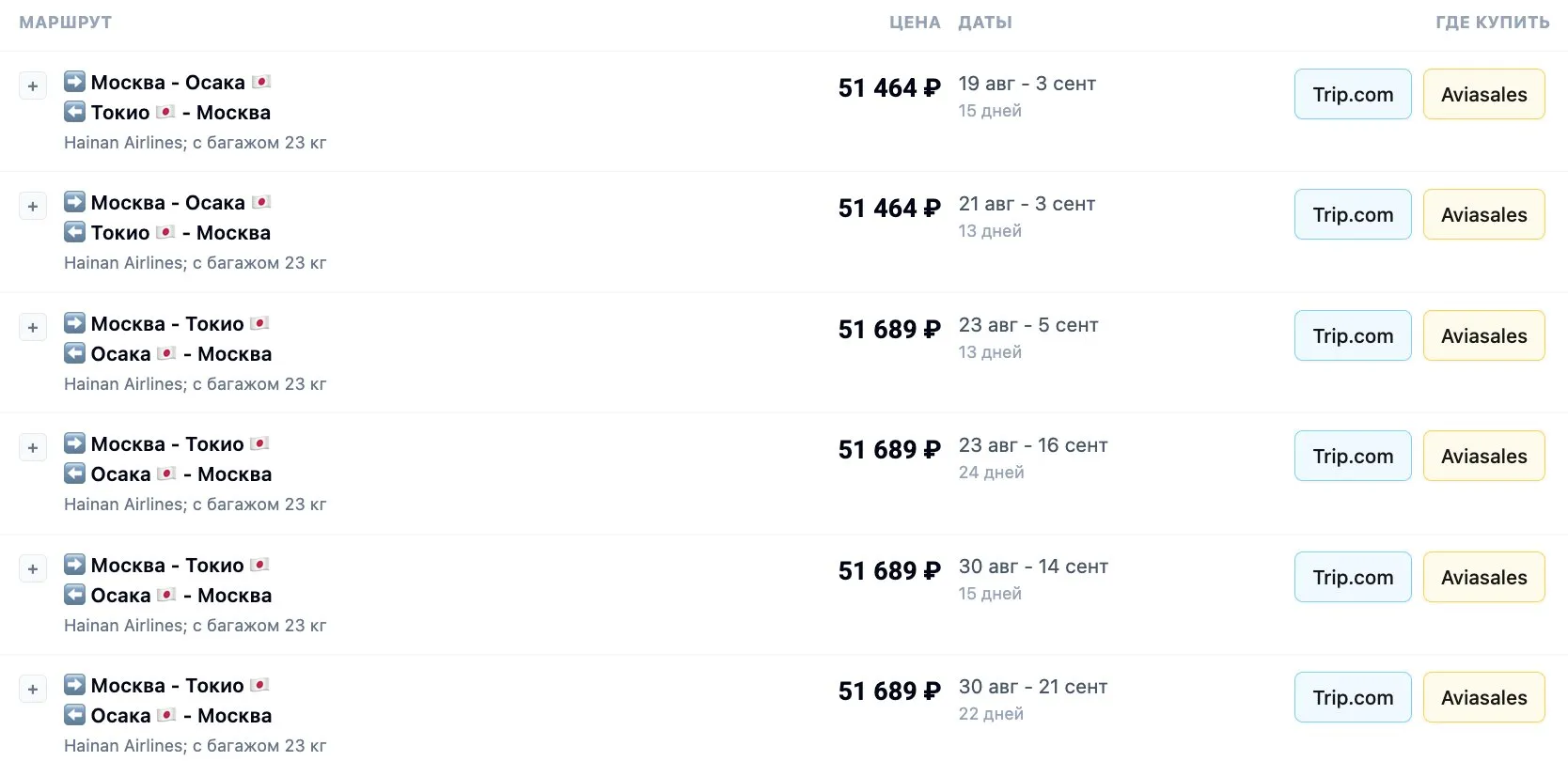
The most convenient way to fly to Japan is on an open-jaw route: fly into one city and out of another. The geography is perfect for this: the country is long and narrow, making a loop itinerary difficult, and you will want to include Tokyo, Kyoto, and Osaka in any minimal programme anyway. You save on at least one shinkansen fare (and they are expensive in Japan) or on a domestic flight. Sorting through dates manually takes a long time, so we did it for you: we checked hundreds of open-jaw routes and put together an up-to-date table of open-jaw routes.
Подписывайтесь на нас в соцсетях: телеграм-канал, Вконтакте, Яндекс.Дзен. Попробуйте нашего ИИ-бота в телеграме — @katusaibot